Leung Chun-ying, Vice Chairman of the National Committee of the CPPCC, Leads a Delegation to Inspect Shenzhen Loop Area Institute
On February 25, Leung Chun-ying, Vice Chairman of the 14th National Committee of the Chinese People's Political Consultative Conference (CPPCC), led a delegation of major artificial intelligence (AI) enterprises on a visit to the Shenzhen Loop Area Institute. The delegation conducted a site visit to research the institute's academic development and operations, its cultivation of scientific innovation talent, and its educational innovation practices. They were accompanied by leaders of the CPPCC Guangdong Provincial Committee and Shenzhen Municipal Committee. Responsible officials from relevant municipal and district departments also joined. Faculty and student representatives of the institute presented a display and reported on the latest achievements in scientific research.
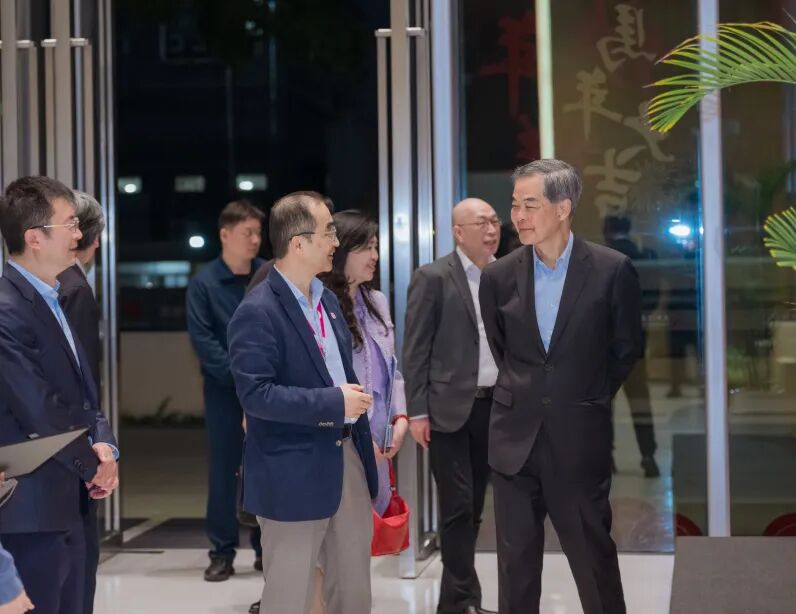
Vice Chairman Leung paused to view the interactive installation known as The Question of the Question. Centered on a philosophy of building learning through inquiry, advancing by questioning, and never ceasing to explore. It stands as both a symbolic inspiration for the community to focus on real-world challenges and a declaration of the institute’s commitment to problem-oriented research. Vice Chairman Leung examined the installation’s interactive logic and its educational metaphor in detail. He expressed appreciation for how the institute has woven the spirit of exploration and truth-seeking into every stage of cultivating talent.
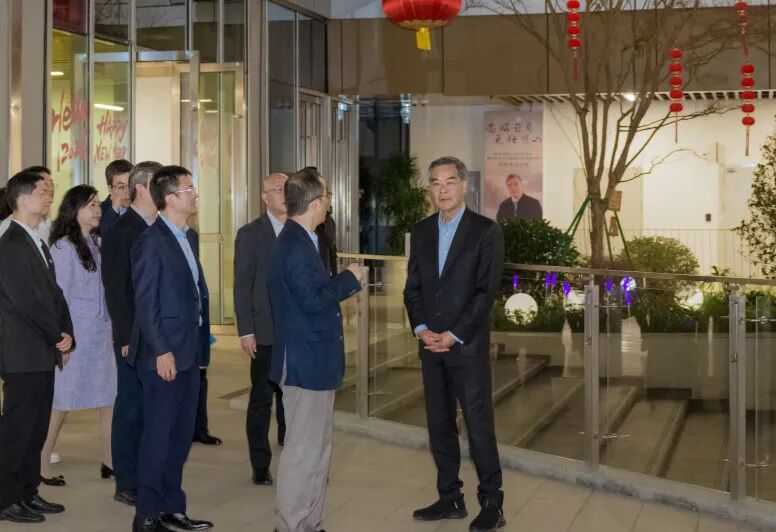
Vice Chairman Leung and the delegation entered the institute’s atrium, where they listened to a presentation on the layout and functional zoning of the teaching and research building. They received a detailed overview of the scientific research and teaching spaces arranged across each floor. Professor Zhiquan Luo, Executive Dean of the institute, reported on its pioneering initiatives in Hetao Cooperation Zone. He explained how the institute utilizes the “One Zone, Two Parks” framework of the Hetao Cooperation Zone to achieve closer integration between scientific and educational resources.
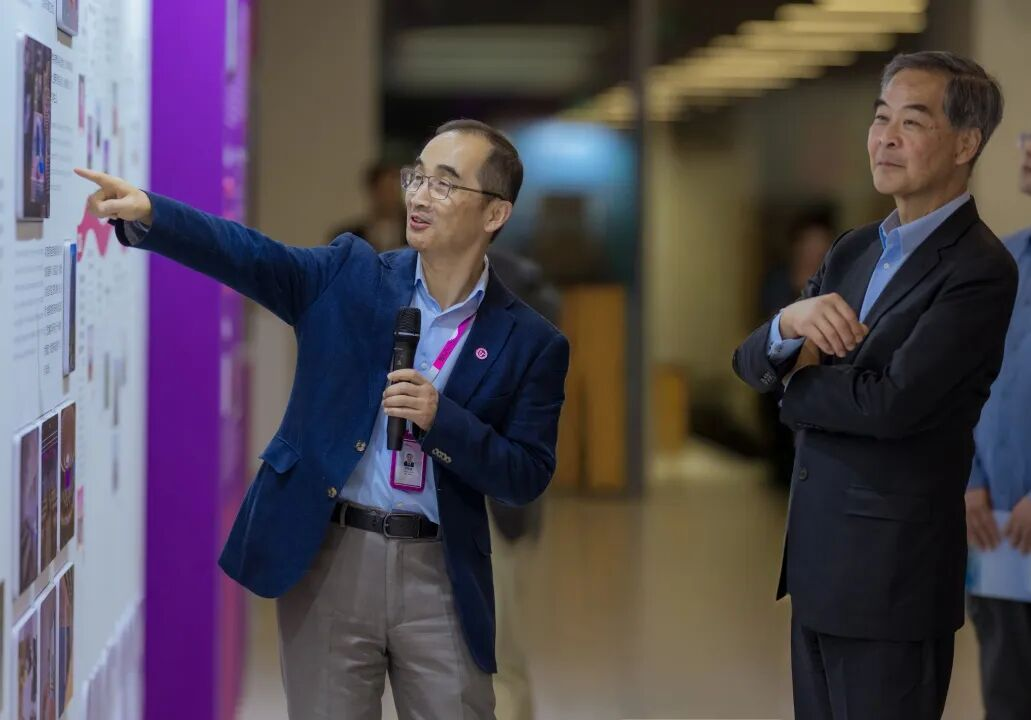
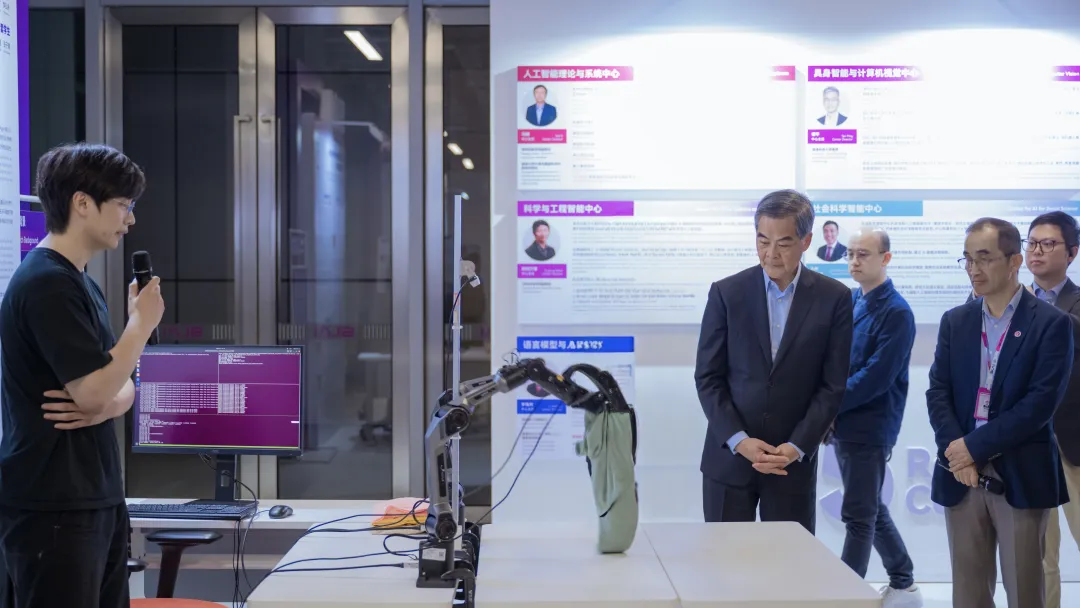
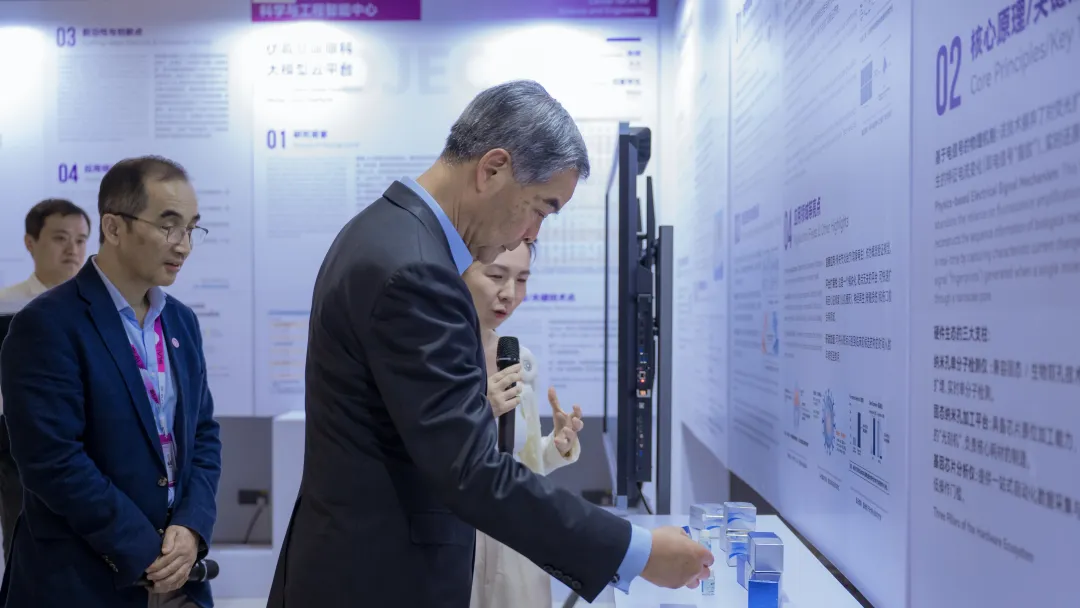
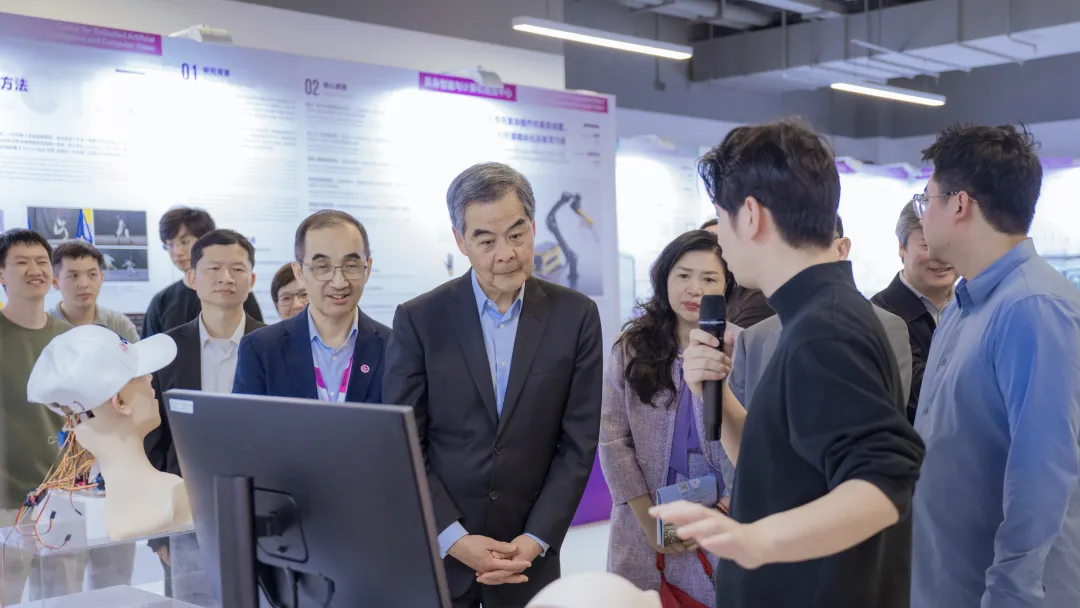
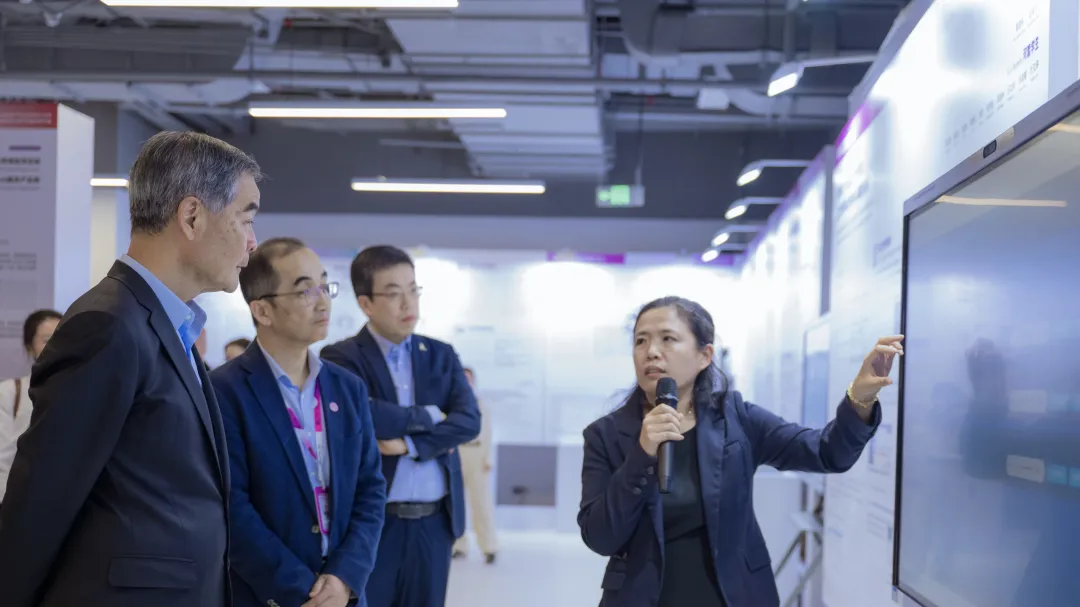
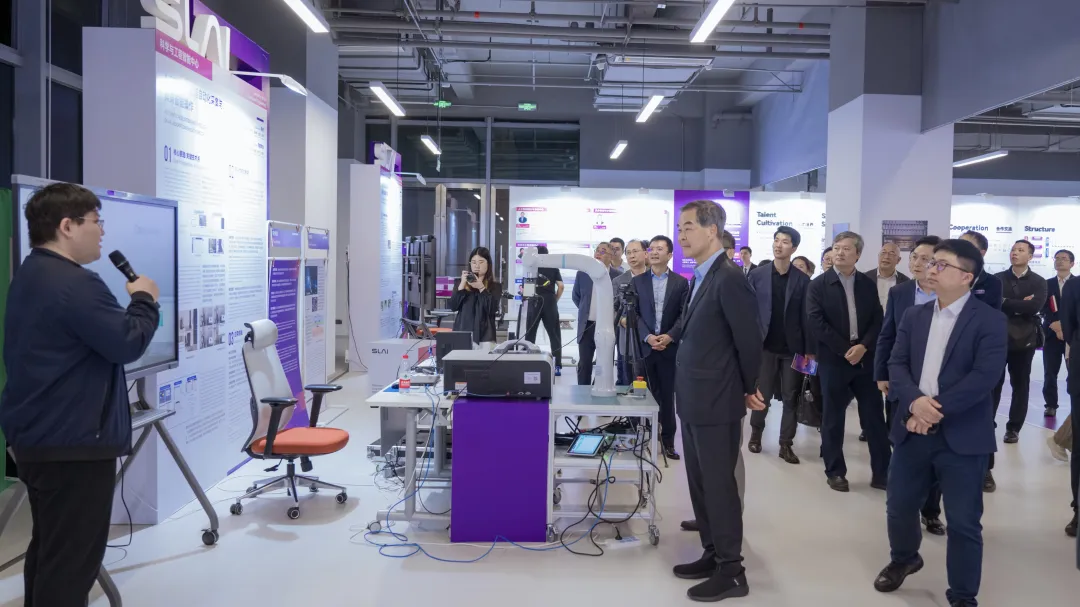
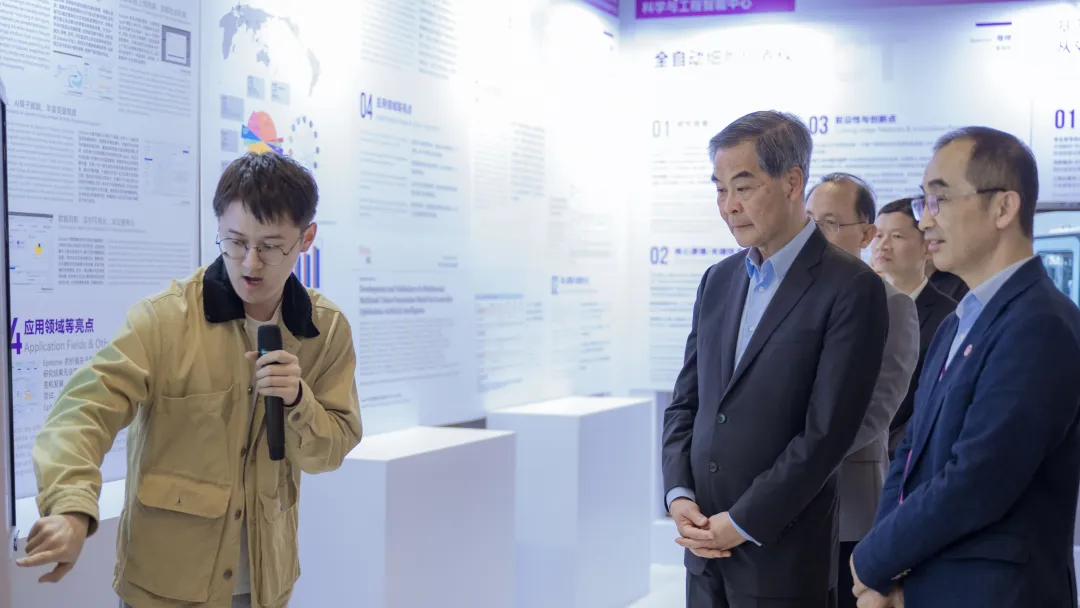
During the visit, Vice Chairman Leung led a delegation into the institute’s exhibition hall. He gained a systematic understanding of the institute’s development history, discipline development, and research accomplishments. The briefing also covered the overall effectiveness of its talent cultivation efforts. Vice Chairman Leung carefully viewed the exhibition content. He listened to reports from faculty and students, which spanned from breakthroughs in basic disciplines to cases of industrial application and transformation. He also held cordial exchanges with teacher and student representatives involved in project R&D. He inquired in detail about the R&D process, technological innovation breakthroughs, and practical application prospects. In-depth discussions were conducted on key technical issues.
 |  |
 |  |
 |  |
Upon learning of the institute’s research achievements in frontier fields such as AI integrated with industry, biomedicine, and social sciences, Vice Chairman Leung spoke highly of the practical orientation of its research teams, noting that they write their papers on the front lines of industry. Representatives from AI enterprises took part in the exchange. They spoke with faculty and students engaged in project research and development. They discussed technical details and feasibility for implementation. The enterprises also expressed their intent to deepen cooperation with the institute and jointly promote the translation of high-quality scientific and technological innovations.
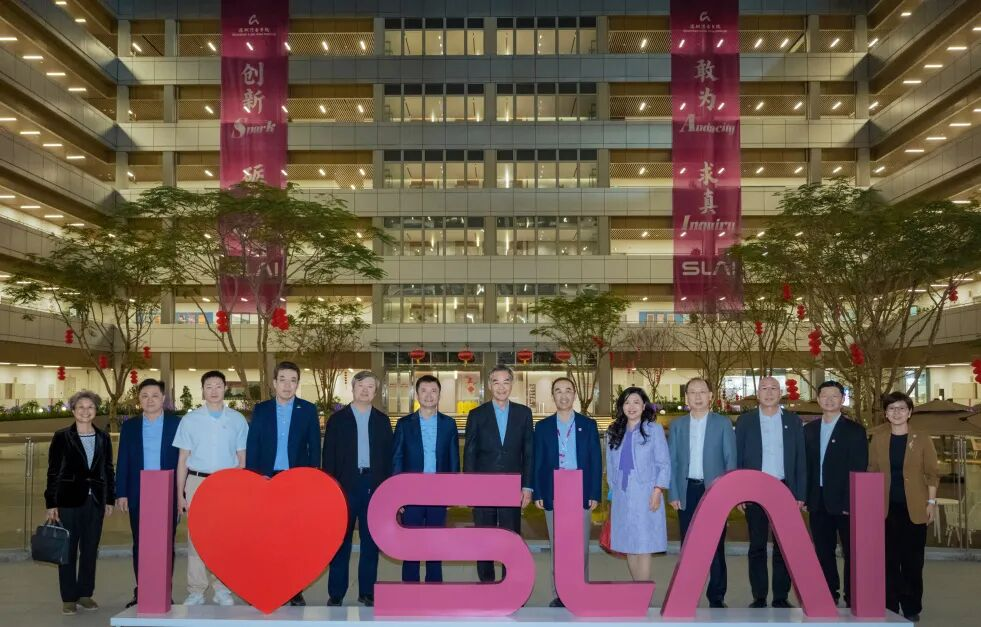
At the end of the visit, Vice Chairman Leung fully affirmed the institute’s accomplishments. He recognized its work in addressing the needs of technological development, committing to major frontier fields, and striving to cultivate high-quality innovative talent. He also praised its exploration of interdisciplinary approaches. The institute has built an innovative ecosystem that starts with inquiry and encourages bold exploration. It has also developed institutional strengths through Shenzhen-Hong Kong collaboration and international connectivity. These efforts provide crucial support for nurturing top talent who can lead future scientific and technological transformation.
The visit and in-depth guidance from Vice Chairman Leung and the delegation have provided valuable experience and development impetus to the faculty and students of the Shenzhen Loop Area Institute. Moving forward, the institute will seize this opportunity, adhere to its original mission of nurturing talent, continuously deepen the integration of science and education, industry-education collaboration, and interdisciplinary innovation, strive to enhance the quality of its educational operations and the effectiveness of talent cultivation, and endeavor to establish itself as a talent hub in the Guangdong-Hong Kong-Macao Greater Bay Area.