Youth Innovation: Over 100 Secondary Students Pioneer AI Projects at SLAI This Summer
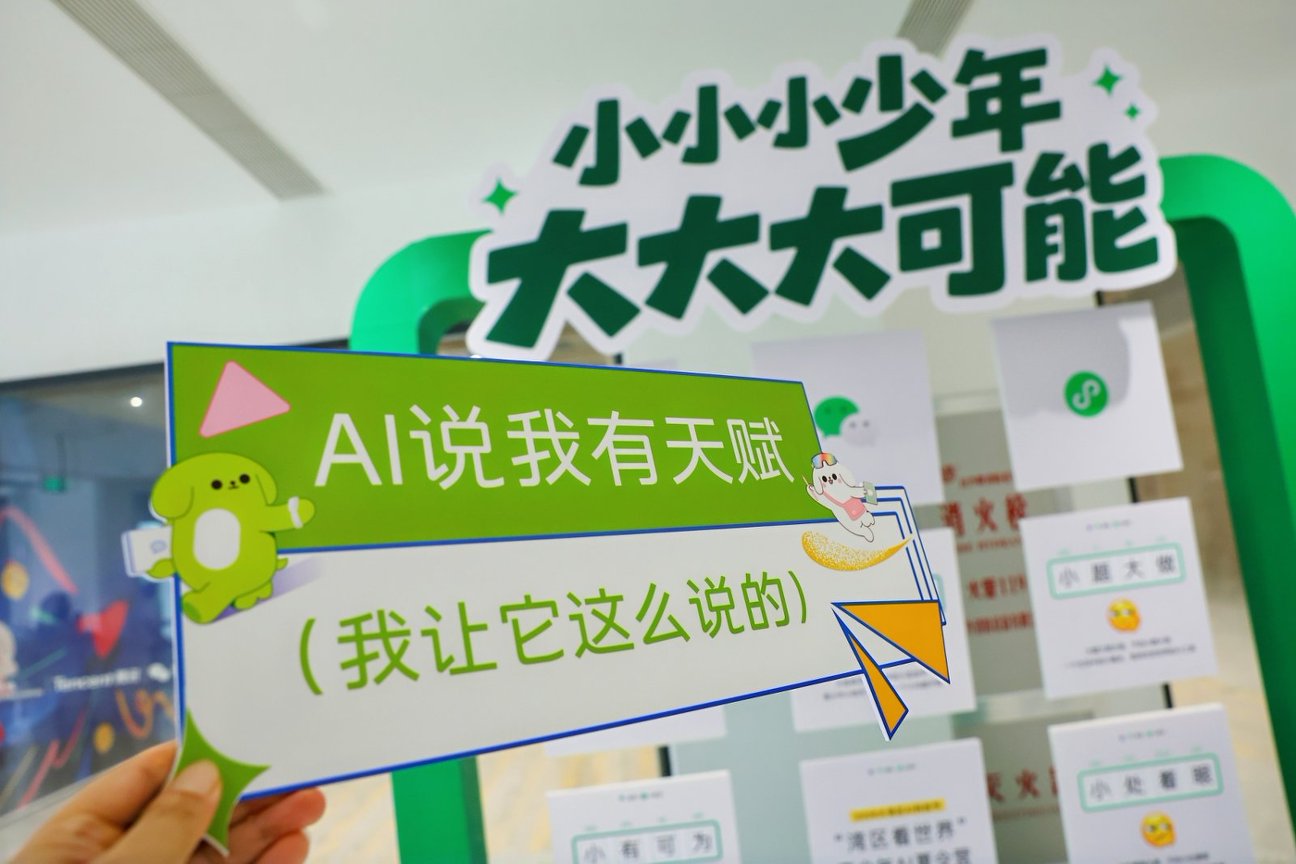
More than 100 middle school students from the Guangdong-Hong Kong-Macao Greater Bay Area gathered at Shenzhen Loop Area Institute (SLAI) from August 3 to 13, 2026, participating in an 11-day summer innovation camp focused on artificial intelligence. Co-hosted by the SLAI Education Artificial Intelligence Innovation Center (EAIIC) and the Shenzhen Educational Information Technology Center,
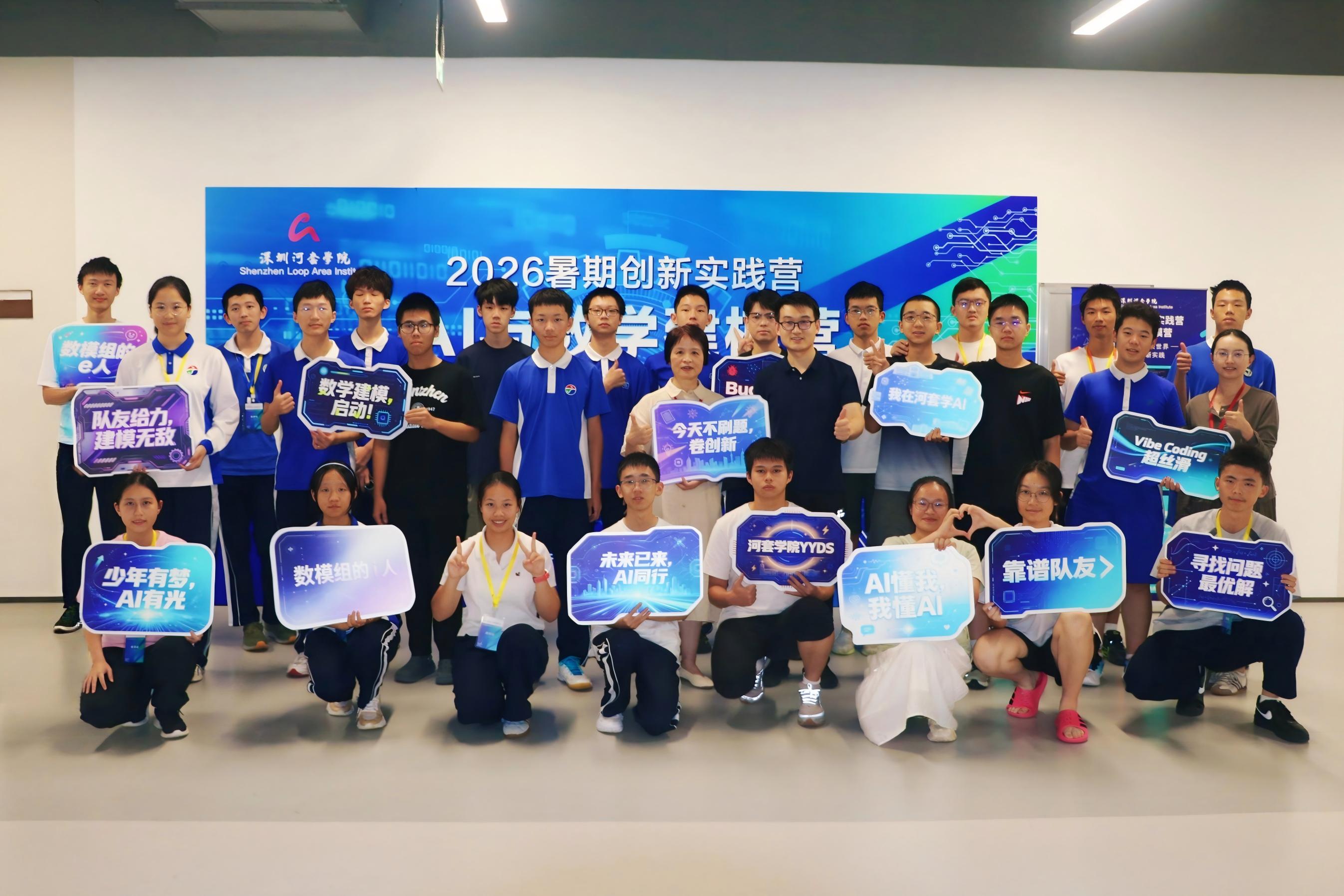
the program featured four specialized tracks: Vibe Coding, Bay Area Sees the World, AI & Mathematical Modeling, and AI Vehicle Manufacturing. Rather than relying on rote memorization or standardized testing, the camp emphasized hands-on problem definition and project creation. Participants developed functional mobile apps, physical mathematical models, and autonomous go-karts, shifting their focus from basic code execution to asking high-value questions and setting project boundaries.
1. From Coding to Prompting: Elevating Collaborative Thinking
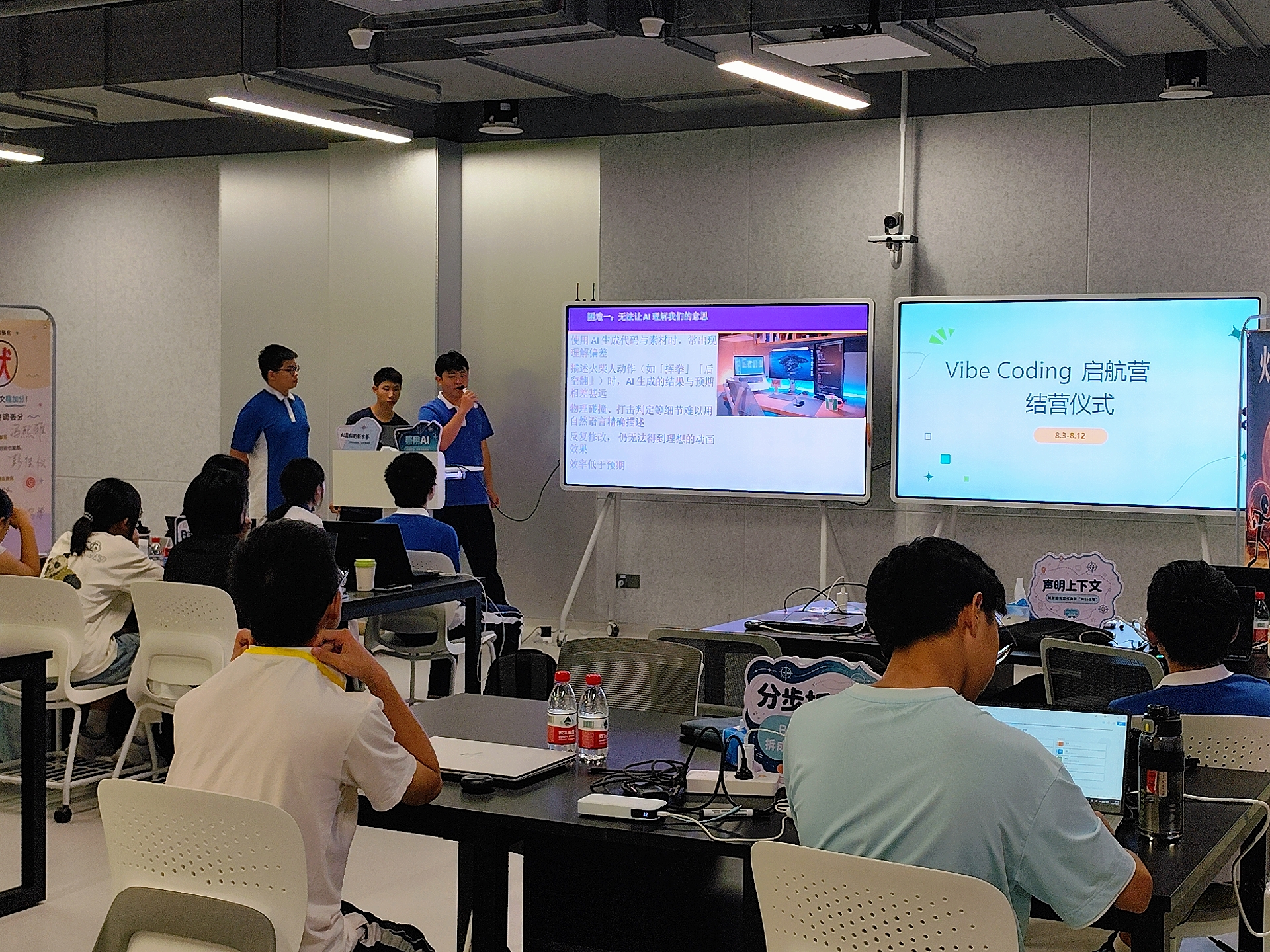
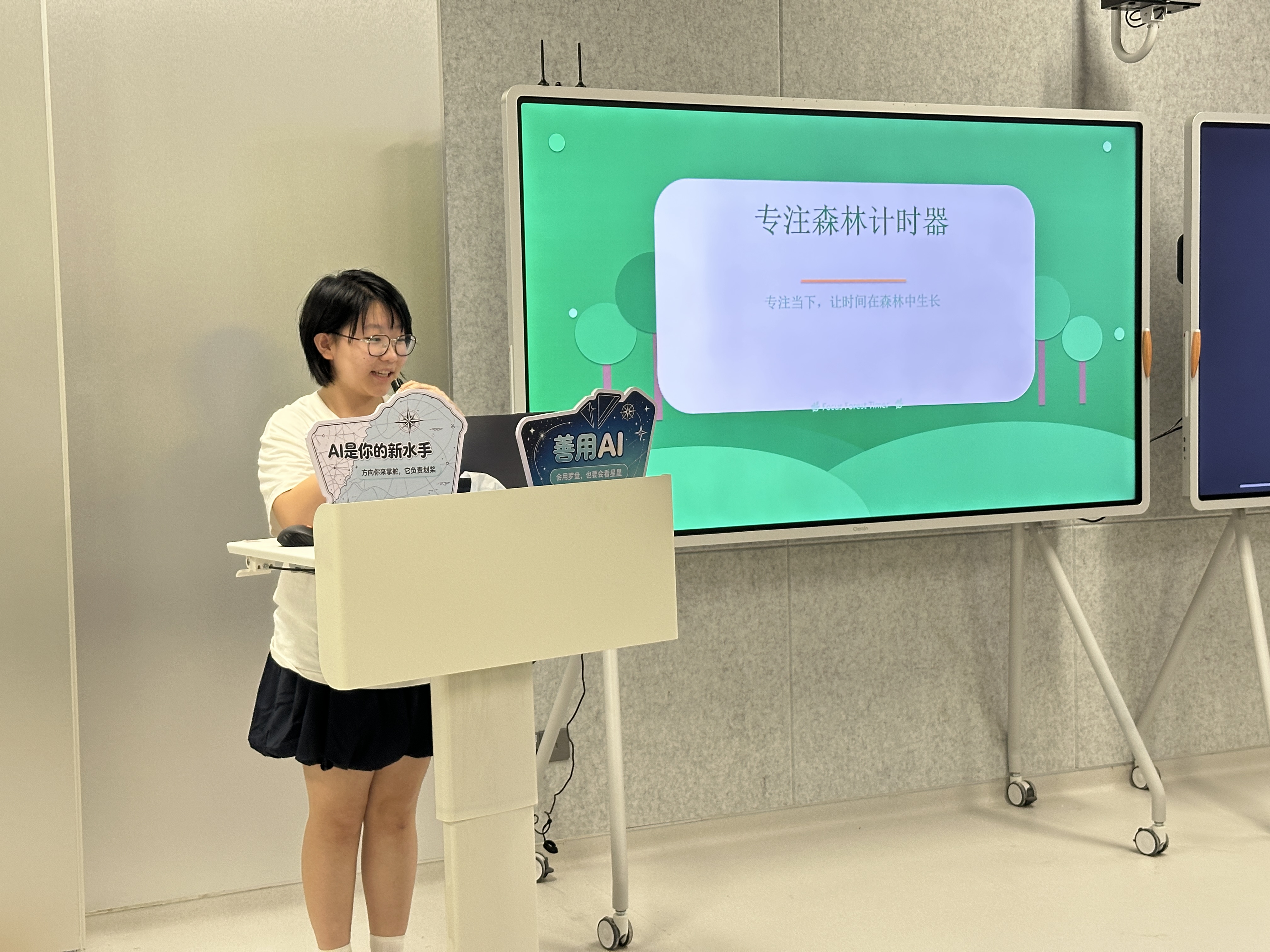
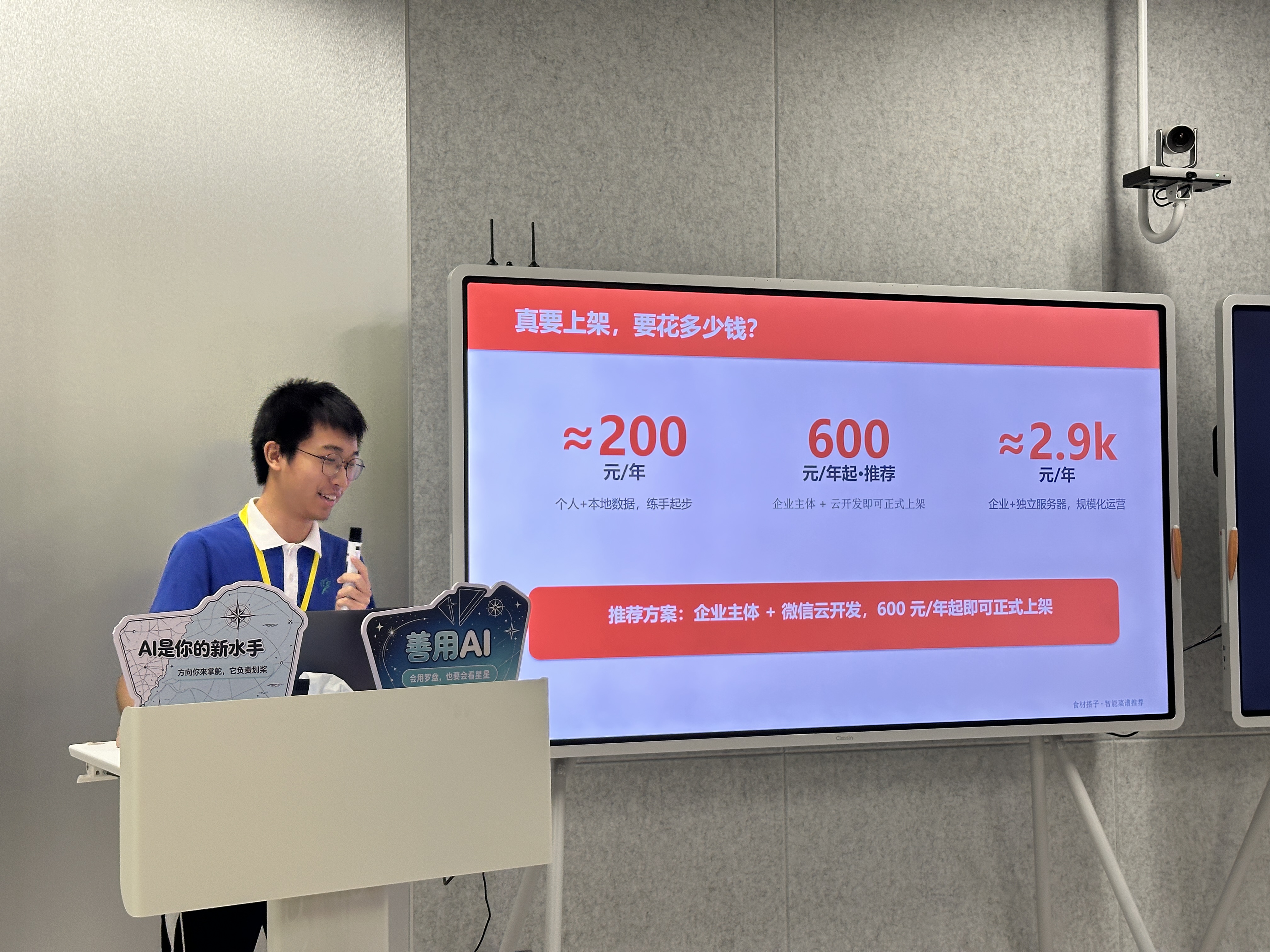
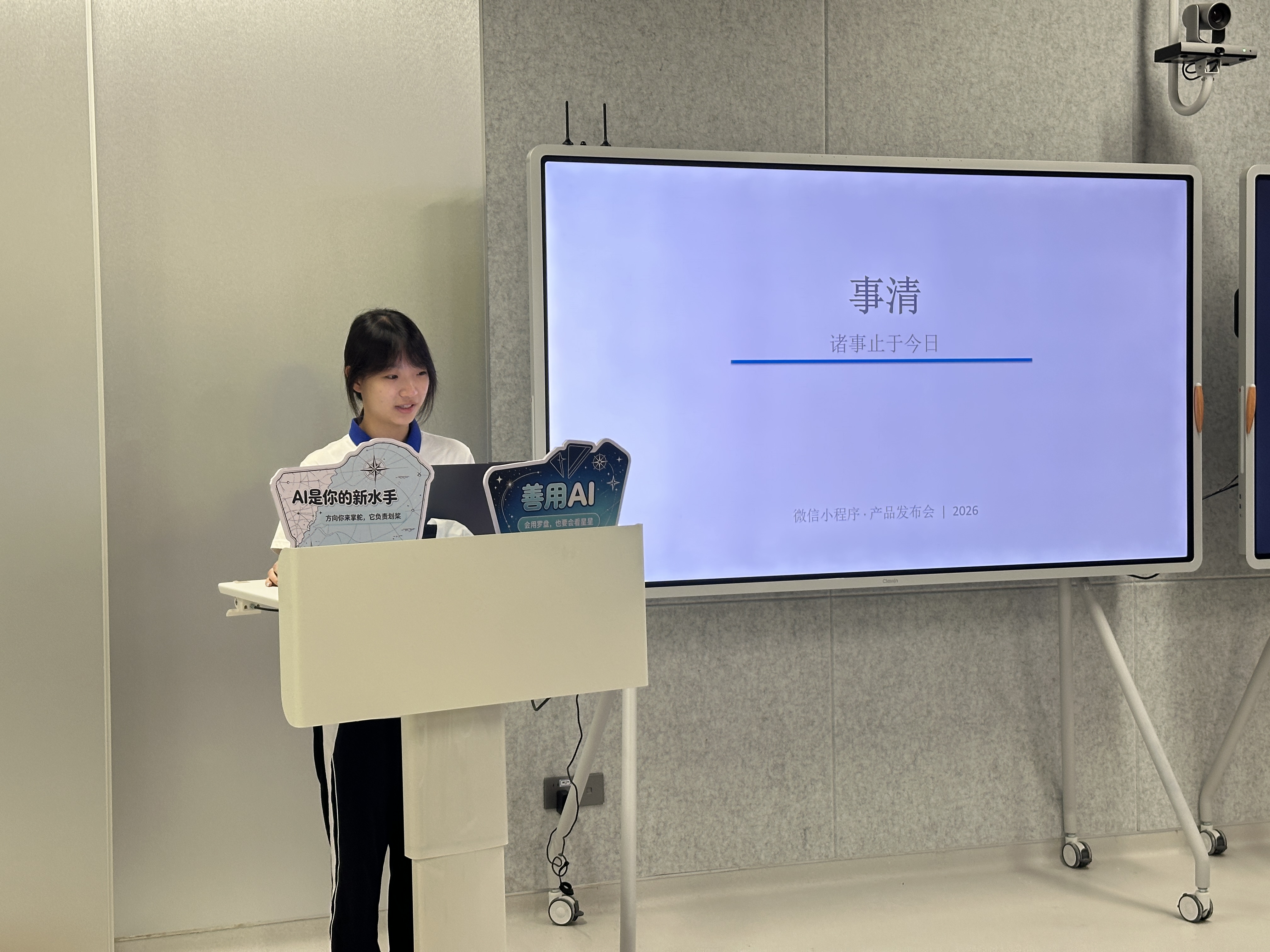
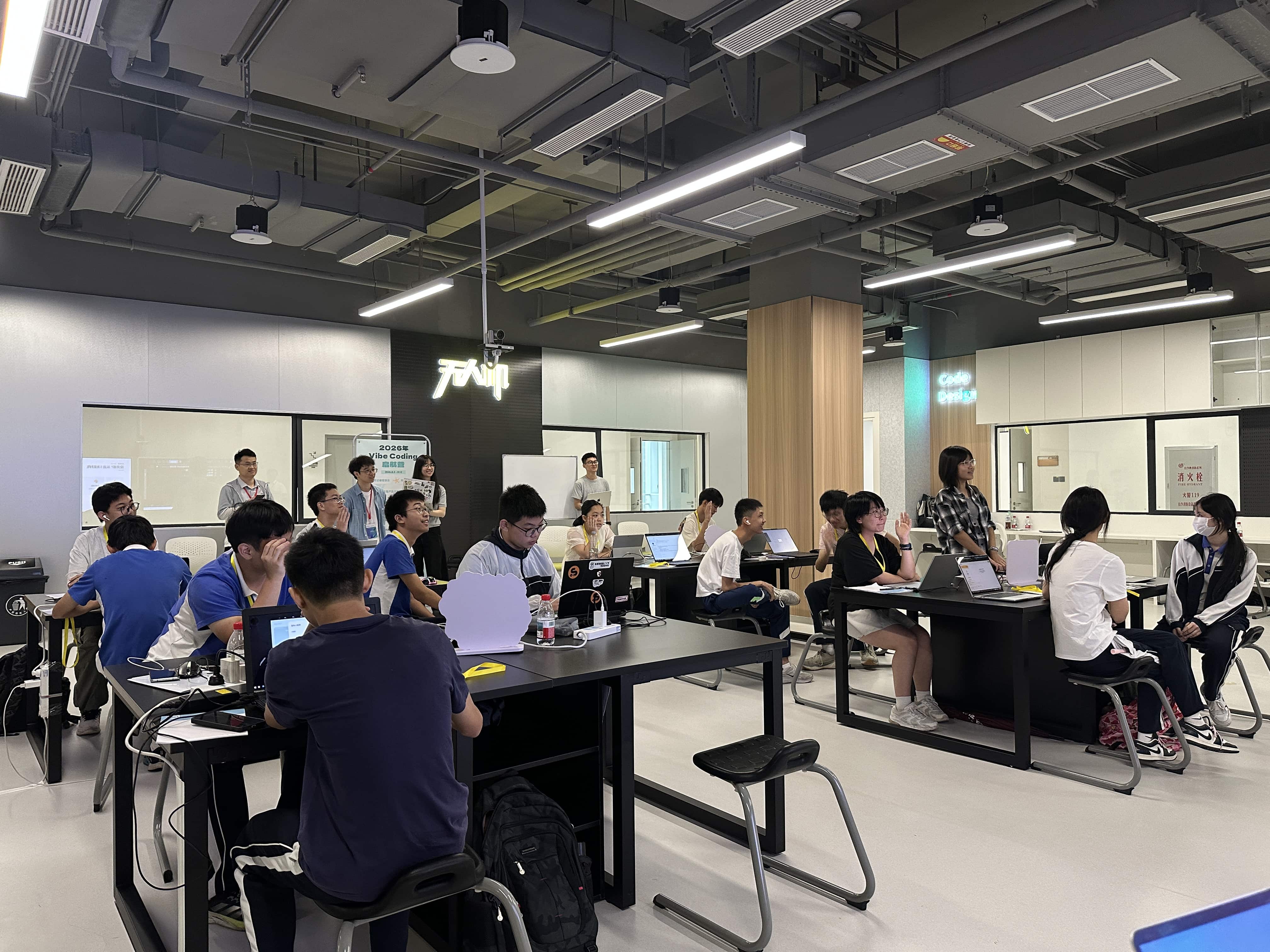
Launched on August 3, the Vibe Coding track challenged traditional instruction by shifting responsibilities to students.
Utilizing AI-assisted programming environments, participants streamlined code generation while focusing on prompt engineering, requirement definition, and output evaluation. Following a two-day toolchain introduction, students engaged in five days of independent development and three days of intensive on-site refinement. During the final project roadshows, participants highlighted a core takeaway: the primary challenge in modern development has shifted from mastering syntax details to engineering precise prompts.
The ability to formulate clear questions and iteratively refine goals emerged as the focus of the track.
 |  |
 |  |
 |  |
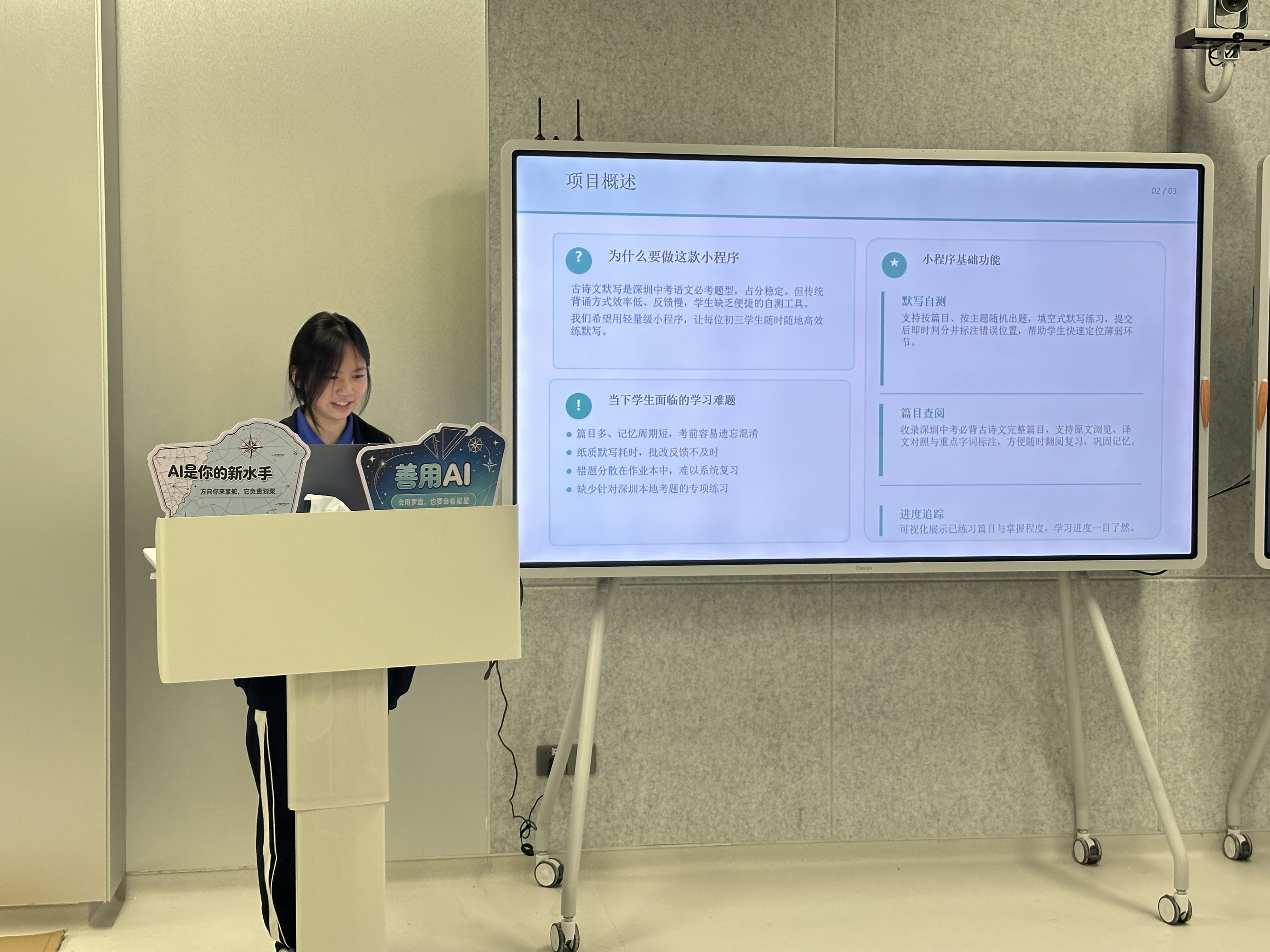 | |
Vibe Coding track
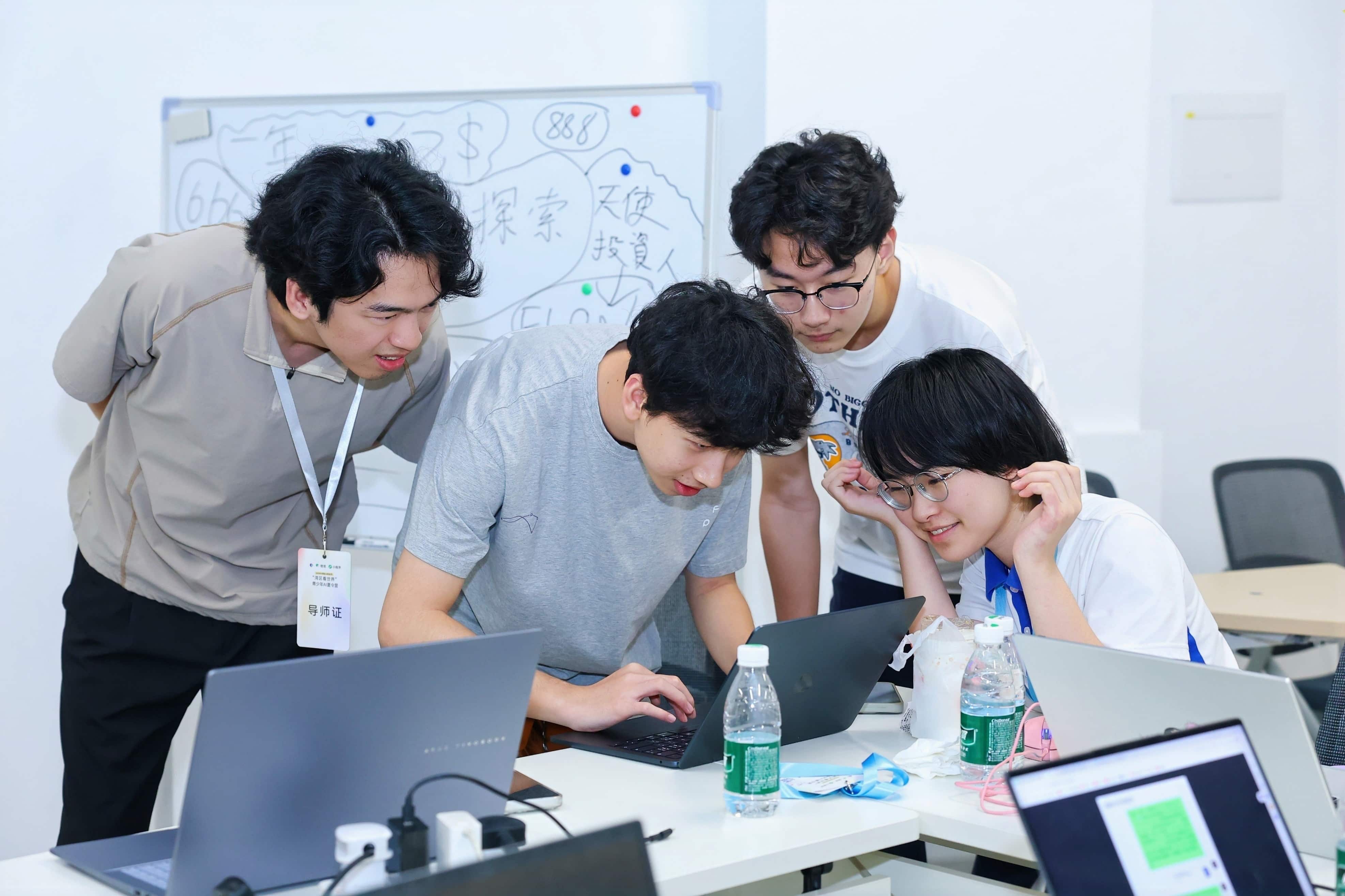
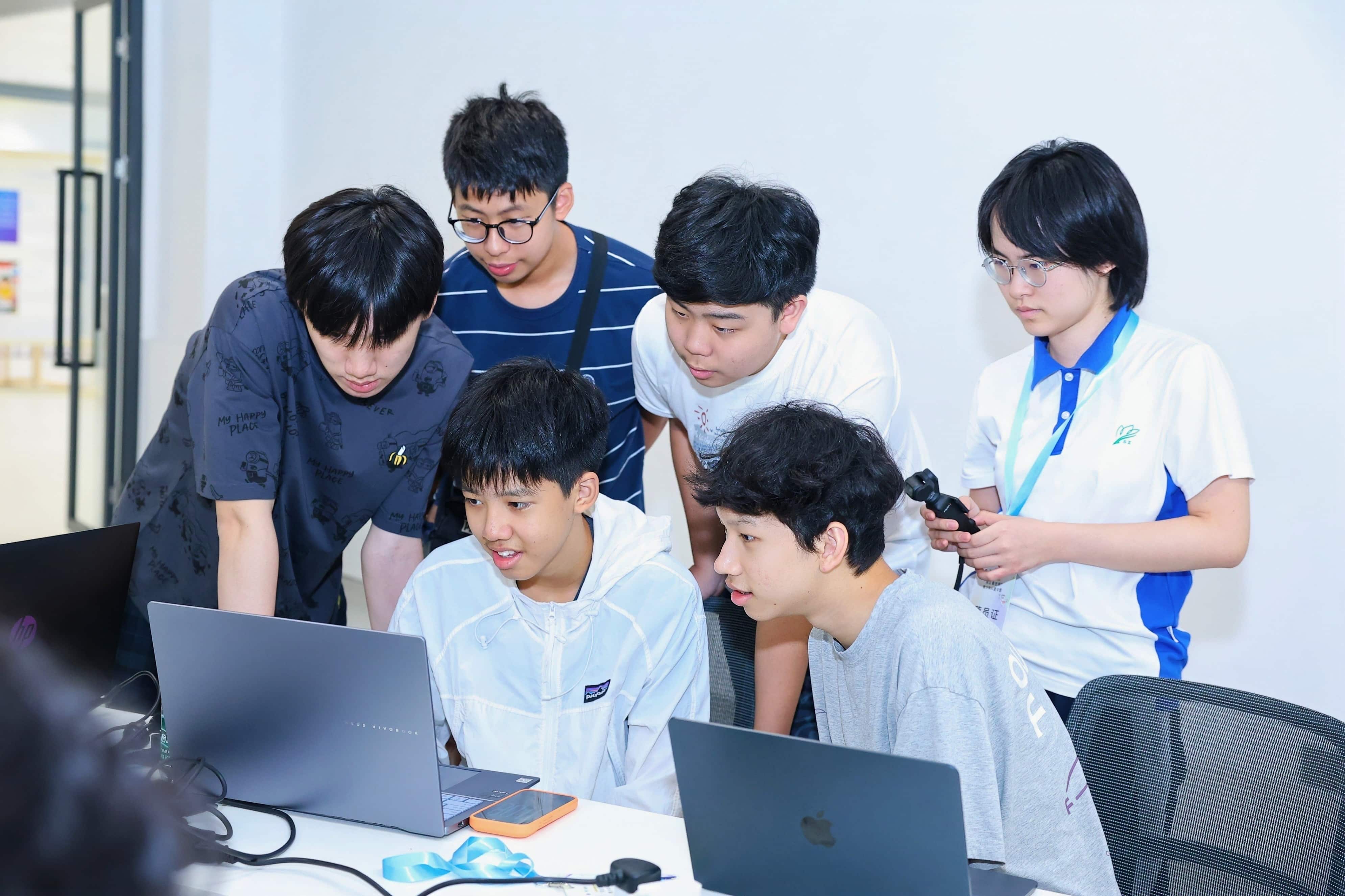
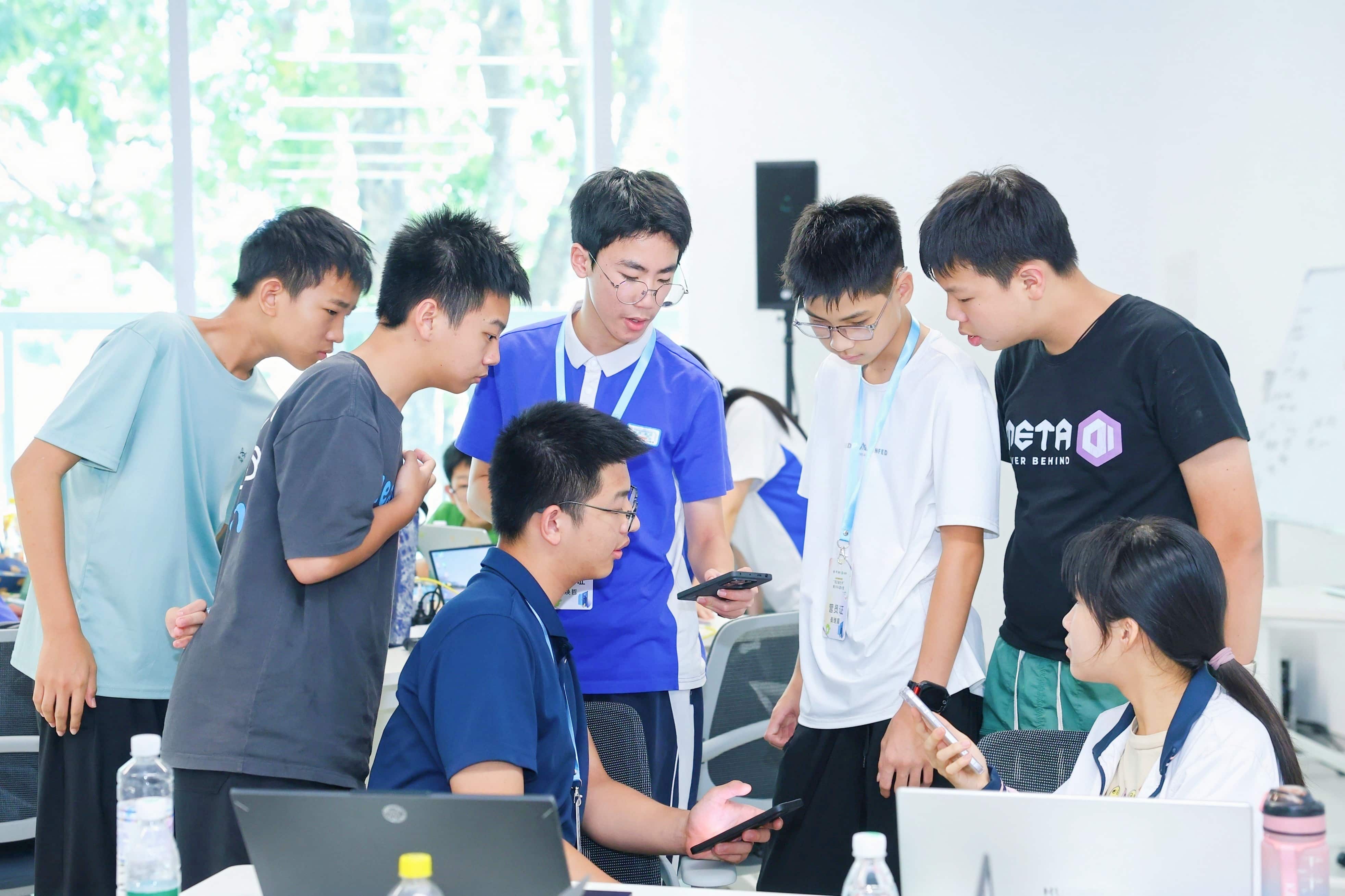
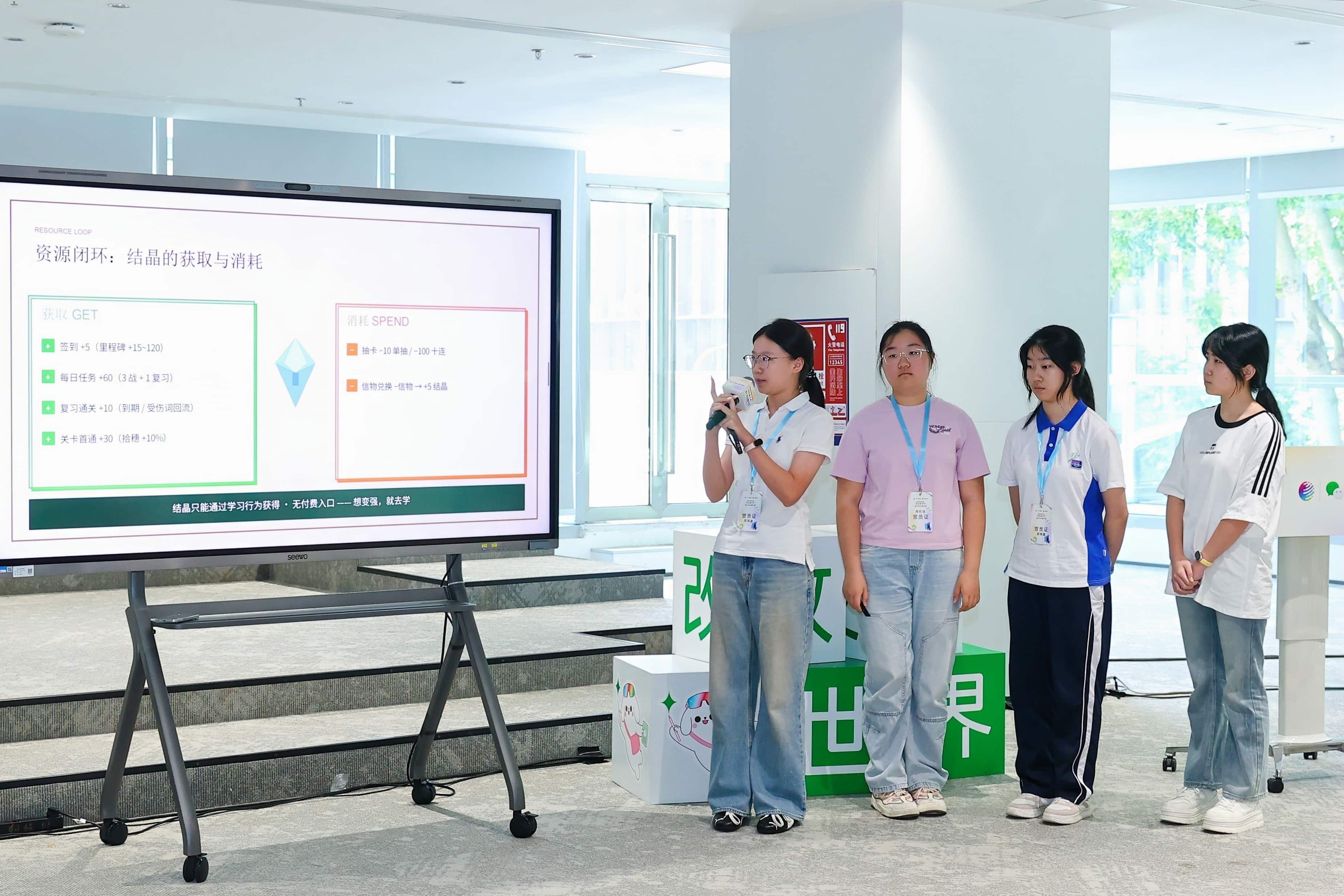
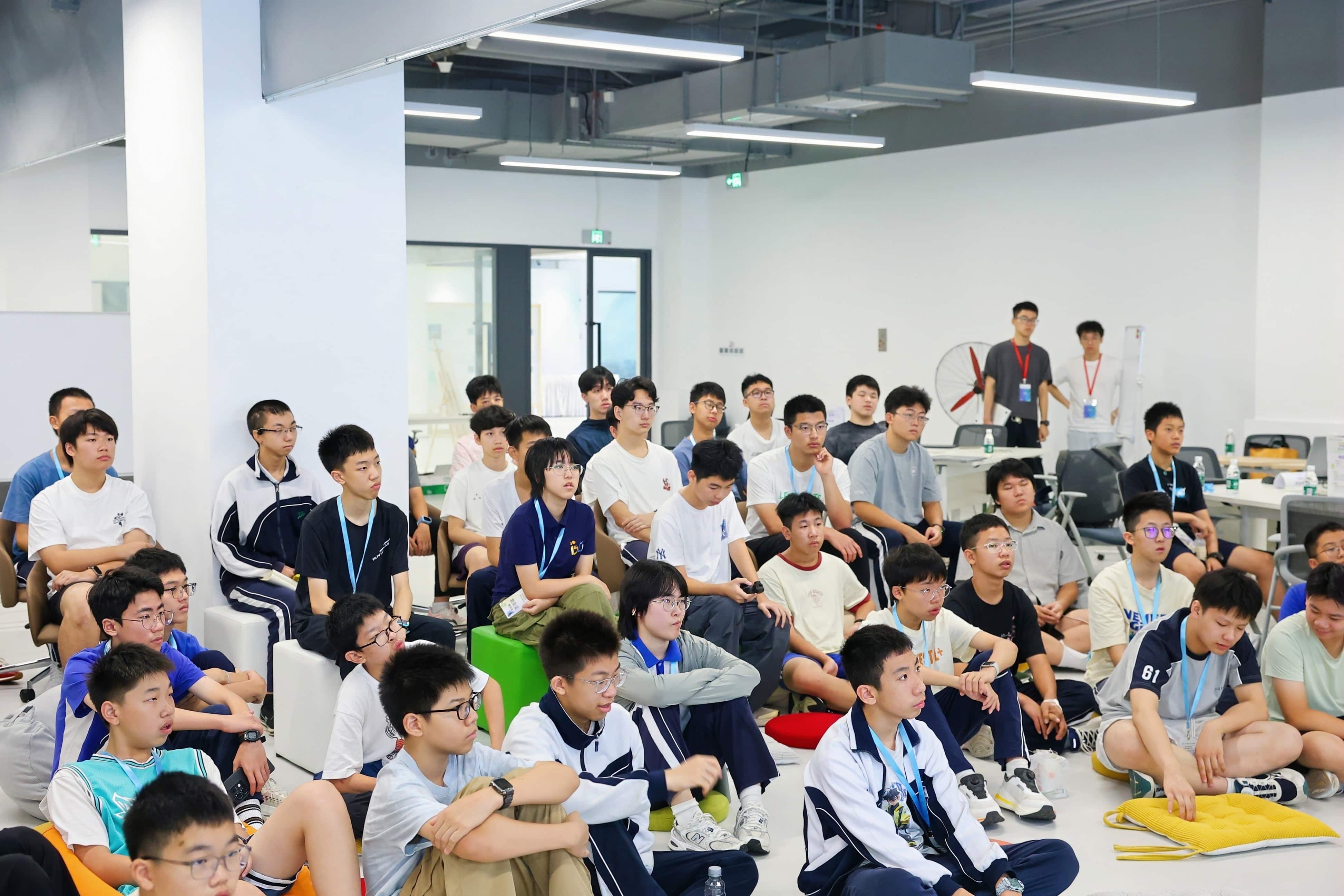
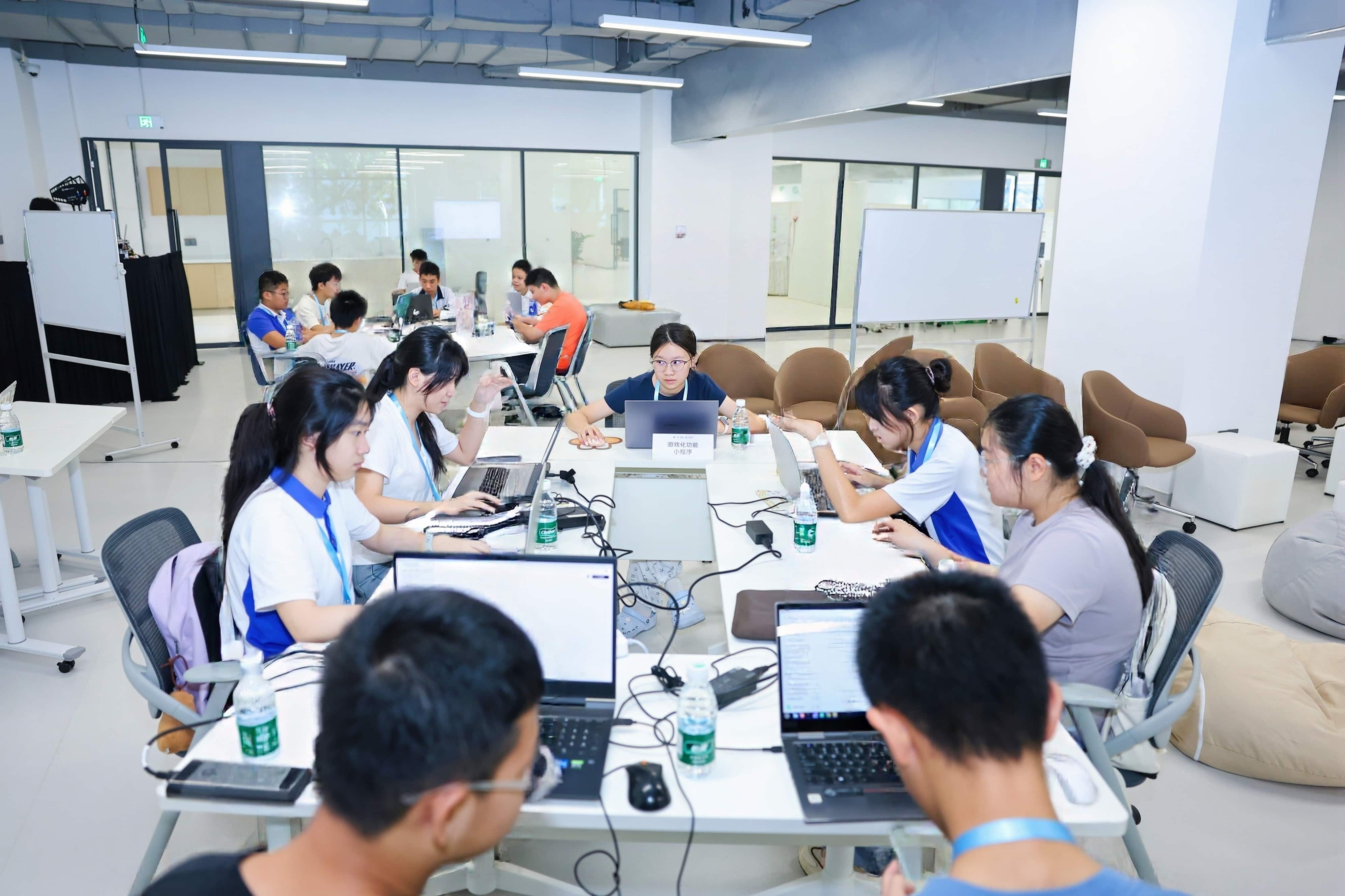
On August 5, the Bay Area Sees the World track integrated product management principles with AI workflows. Participants, selected from the WeChat Mini-Program Global Challenge (Shenzhen Region), utilized an "ima + WorkBuddy + Mini-Program" workflow to build functional applications. The five-day agenda also included expert lectures and a field visit to Tencent's Penguin Island.
 |  |
 |  |
 |  |
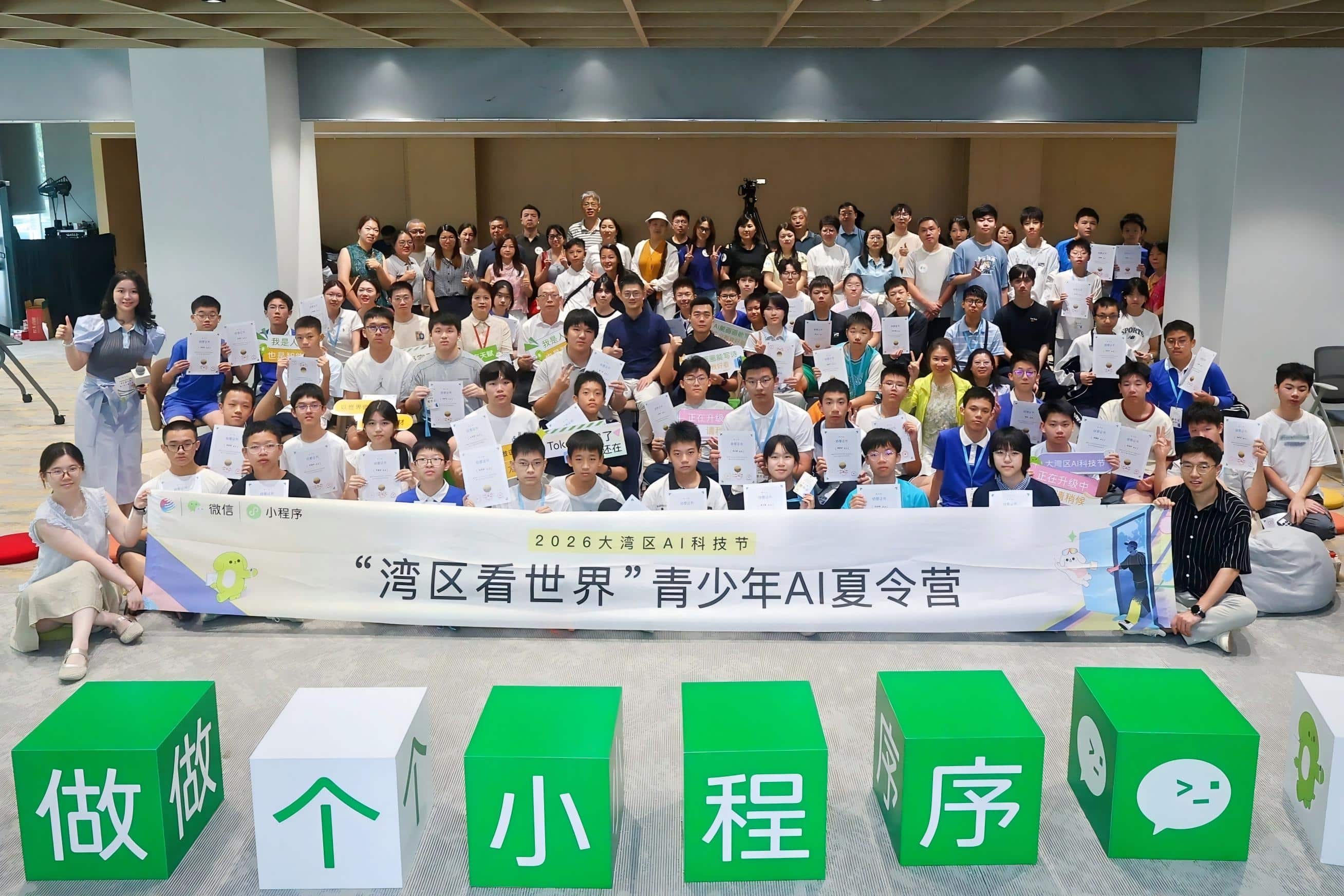 | |
Bay Area Sees the World track
The integration of AI workflows streamlined the development process, enabling students to rapidly transition initial ideas into functional, pitch-ready prototypes through iterative testing.
2. Physical Integration: Defining Complex Real-World Problems
Starting August 7, the AI & Mathematical Modeling and AI Vehicle Manufacturing tracks expanded the camp’s scope into physical hardware and complex mathematical systems.
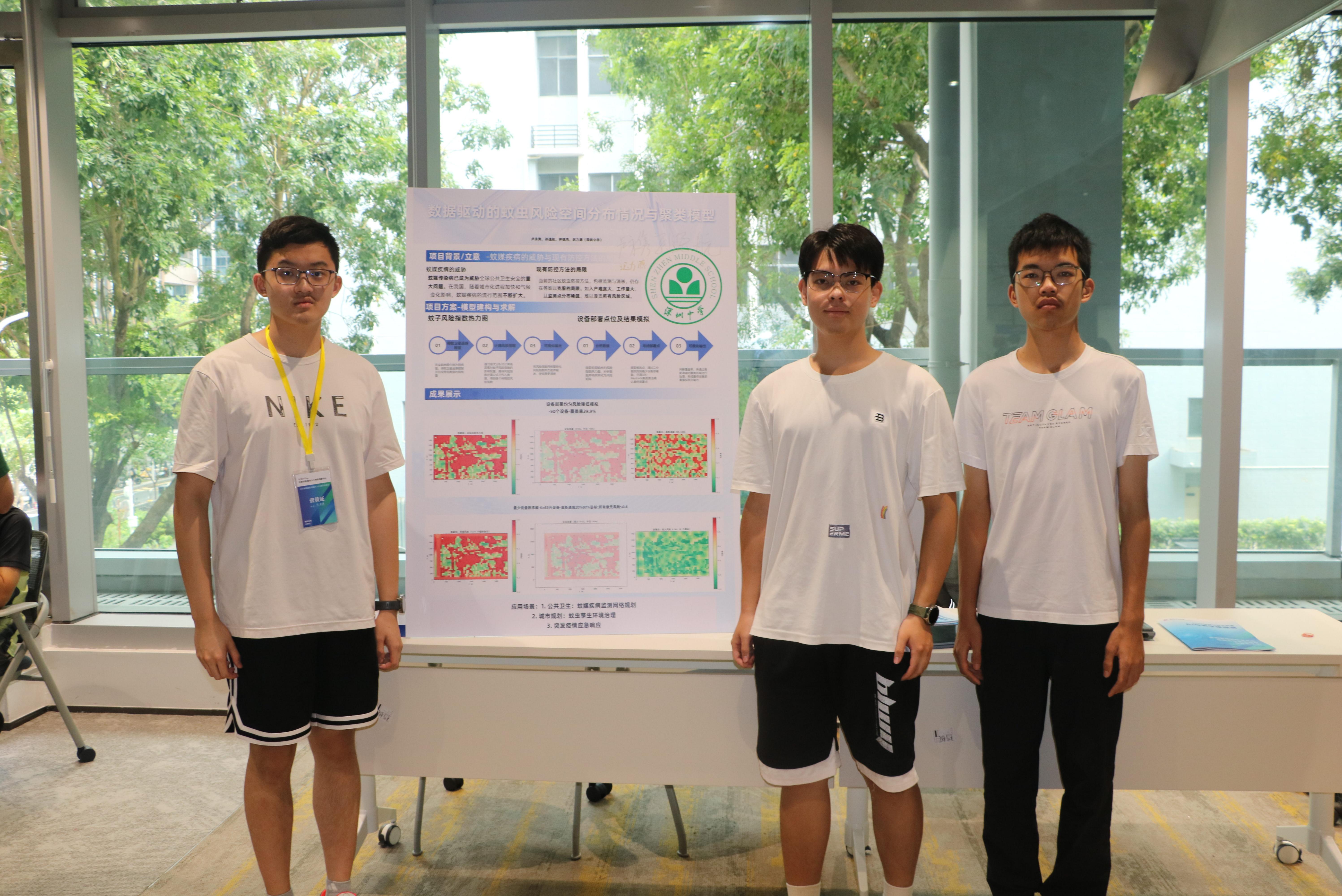
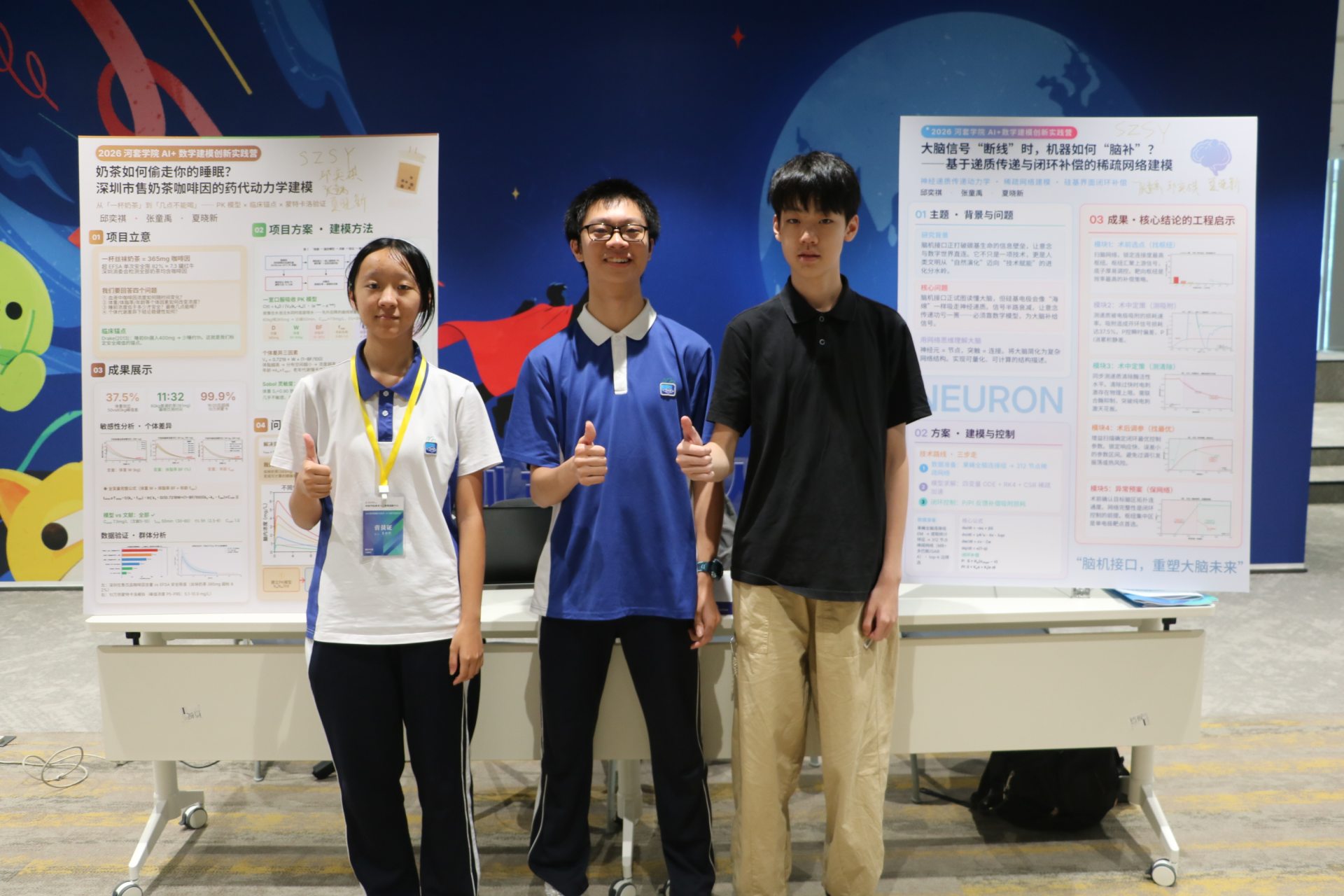
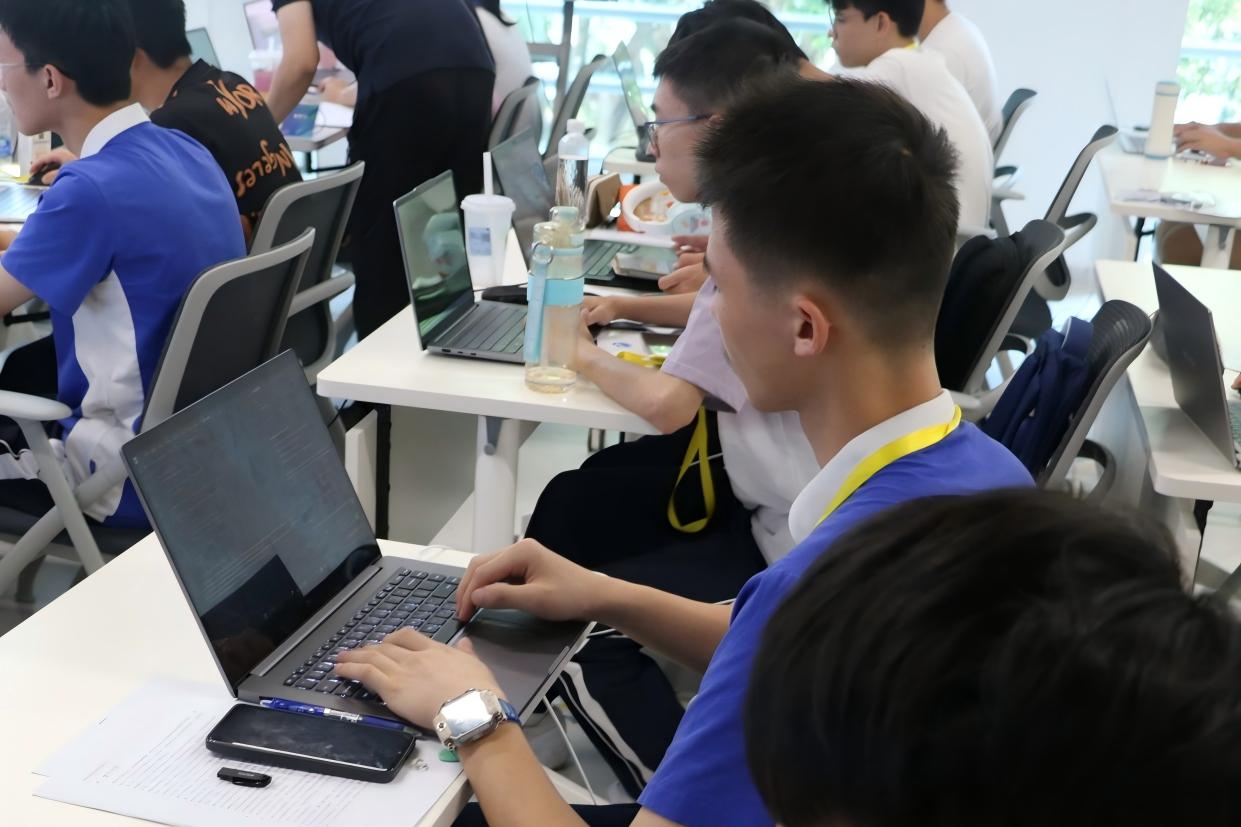
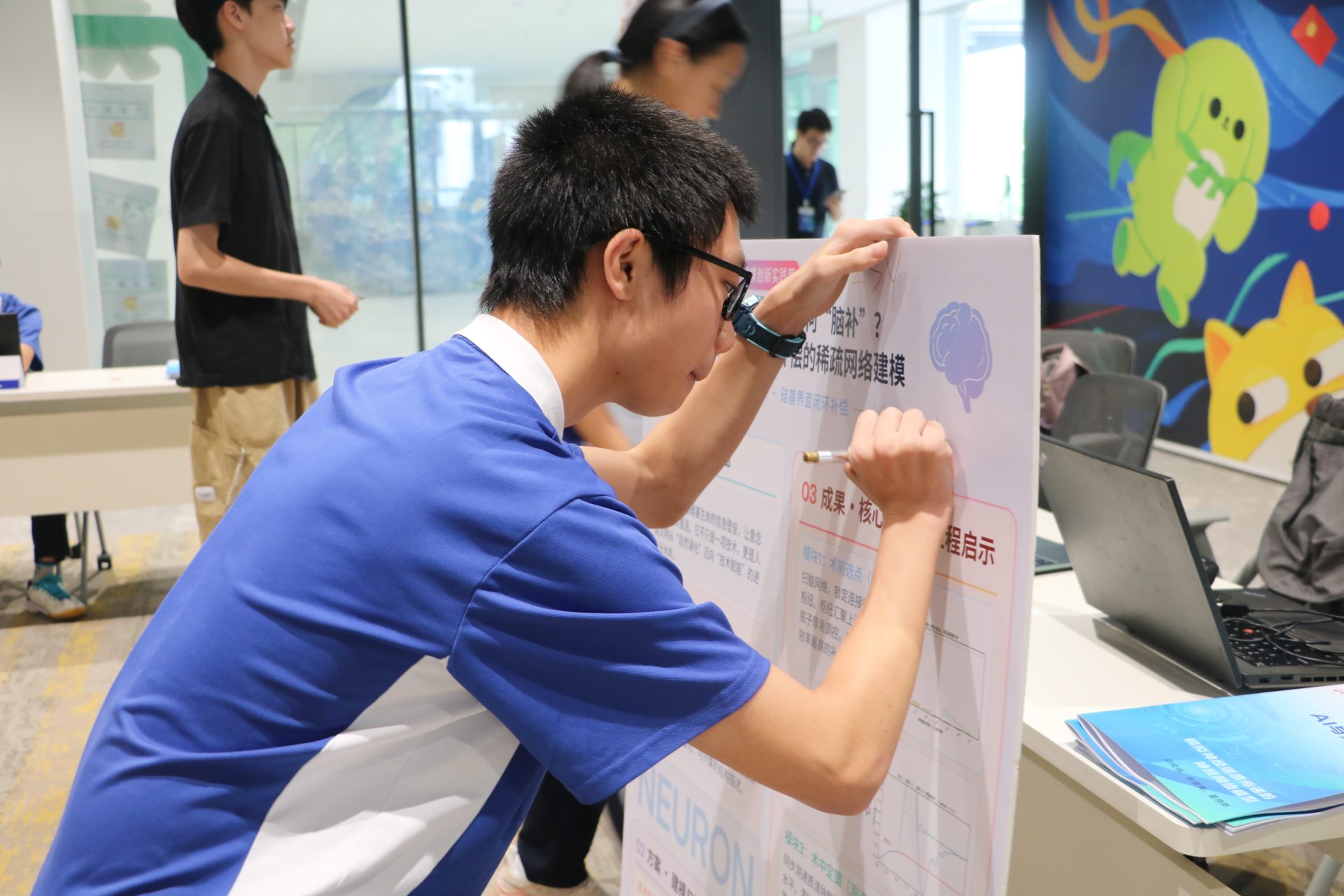
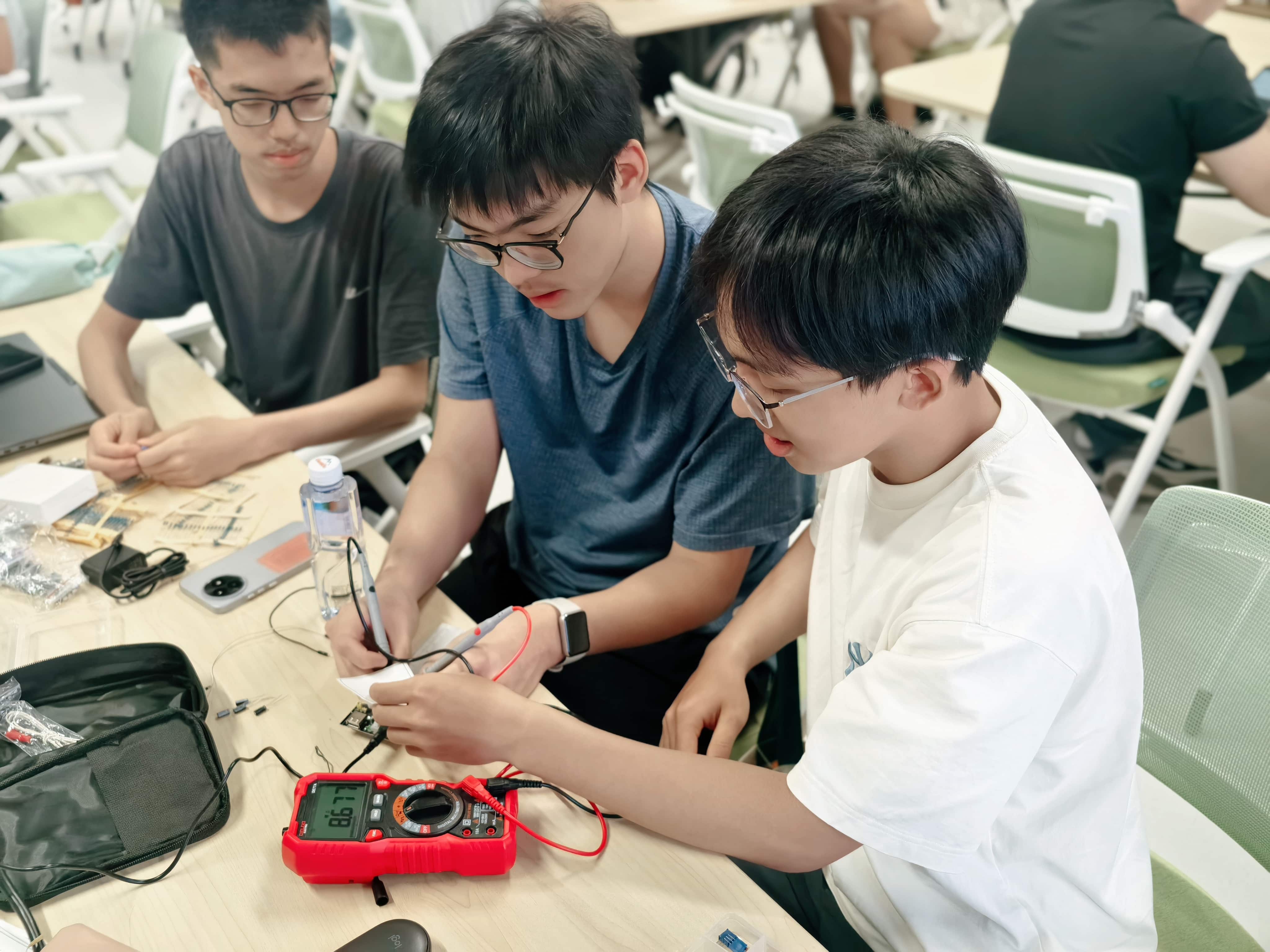
The Mathematical Modeling track required students to abstract variables, formulate hypotheses, program simulations, and draft research papers based on real-world scenarios. This framework shifted their perspective from solving predefined equations to defining scientific problems.
 |  |
 |  |
 | |
AI & Mathematical Modeling track
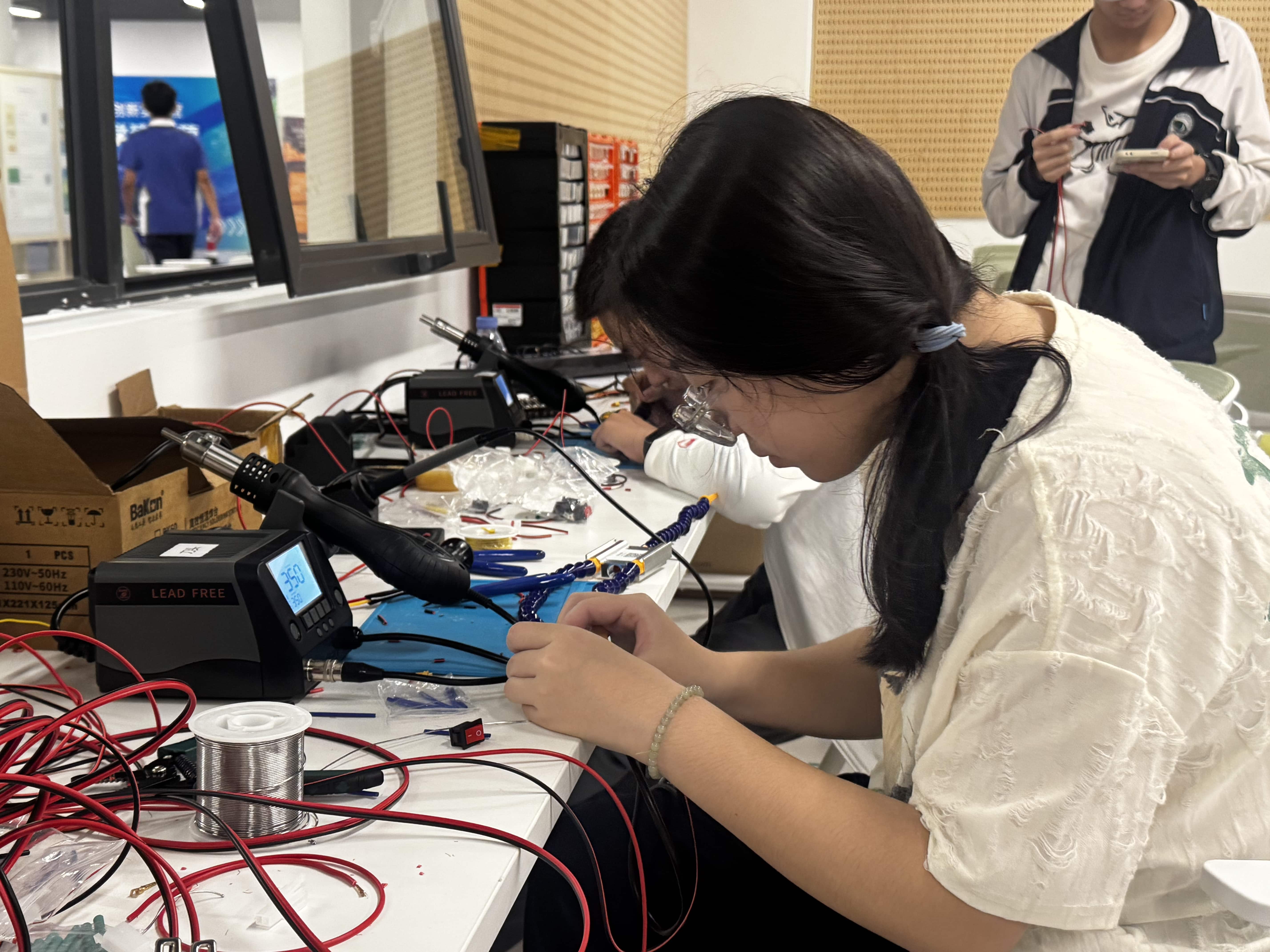
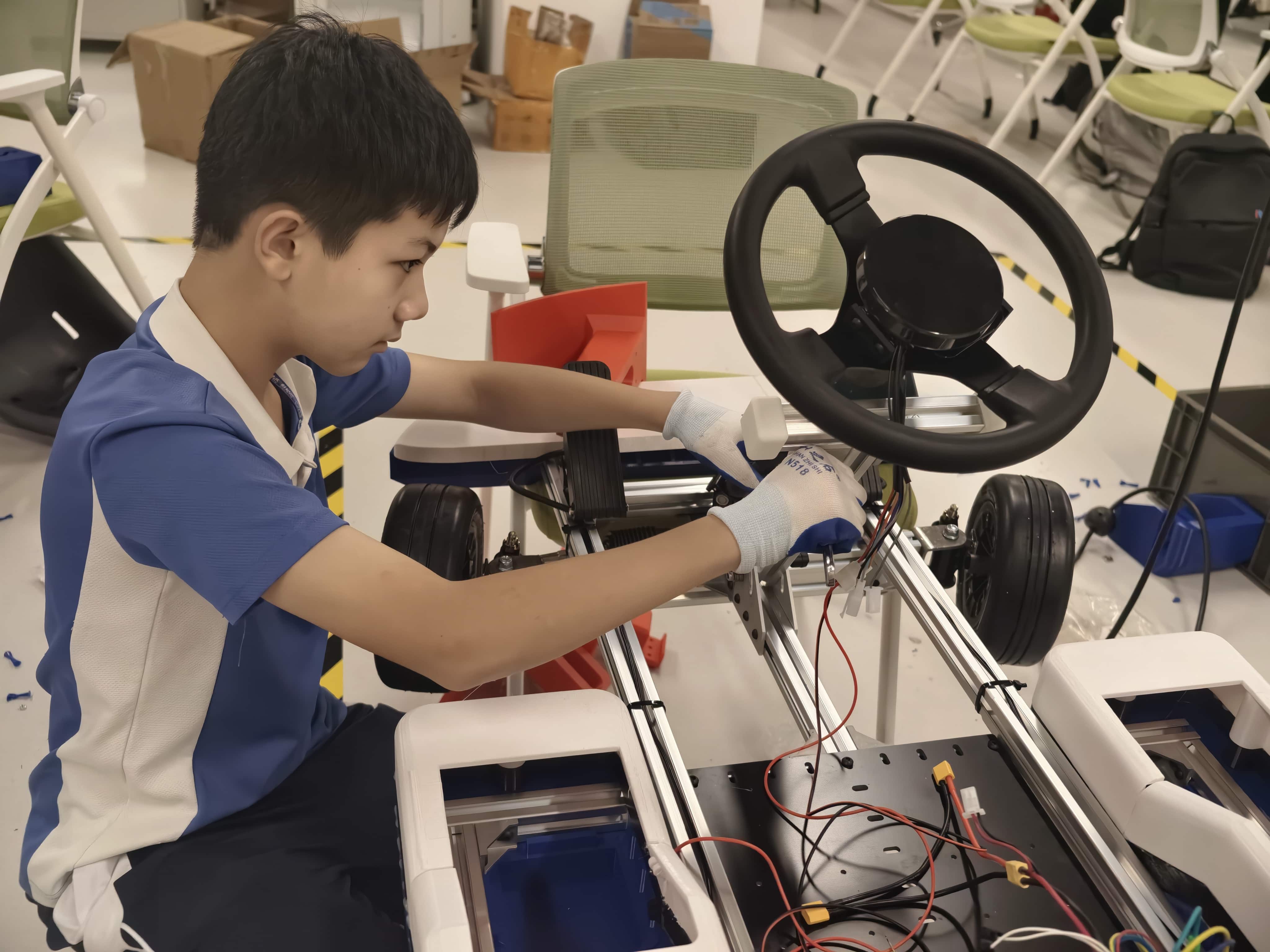
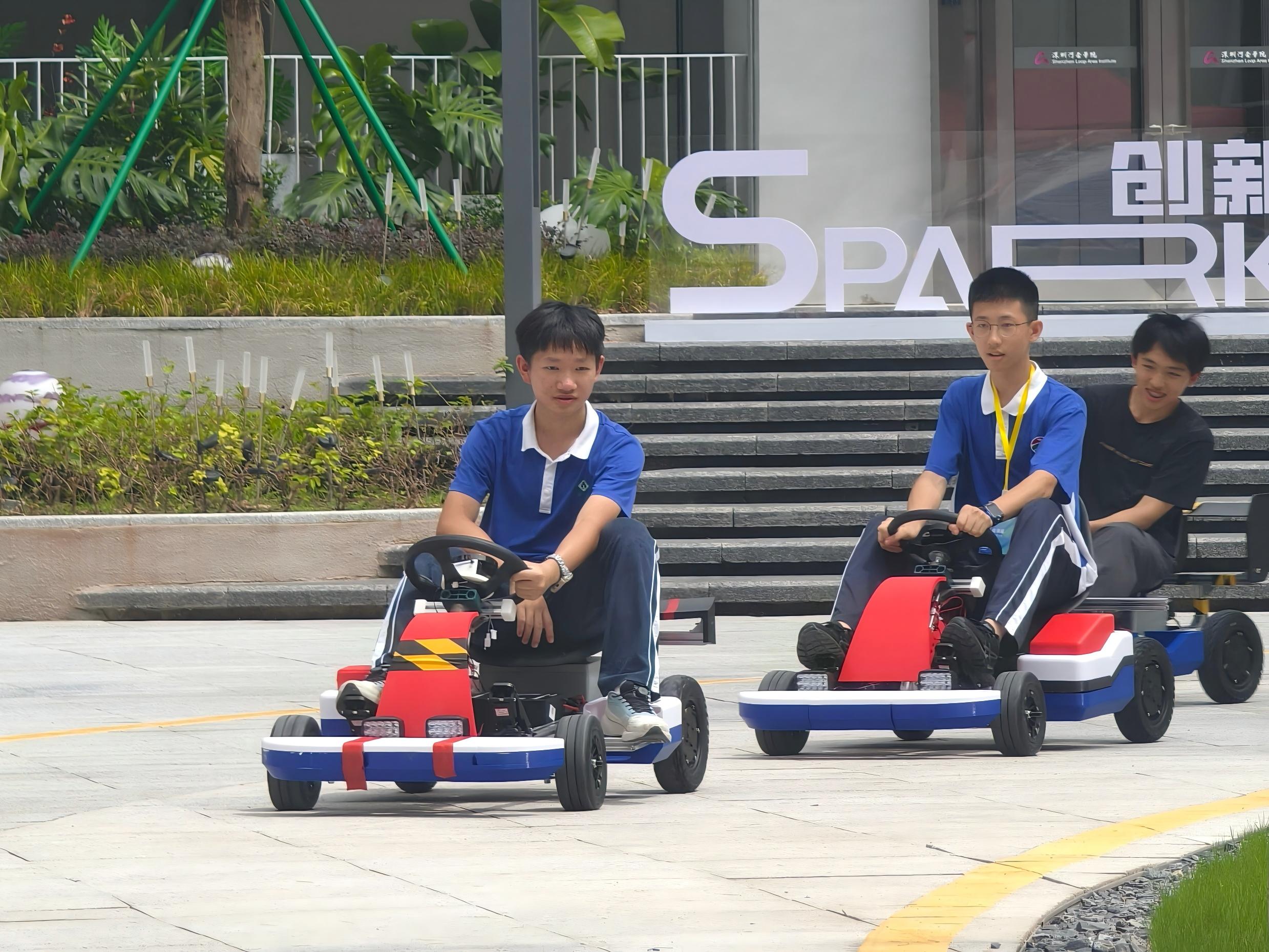
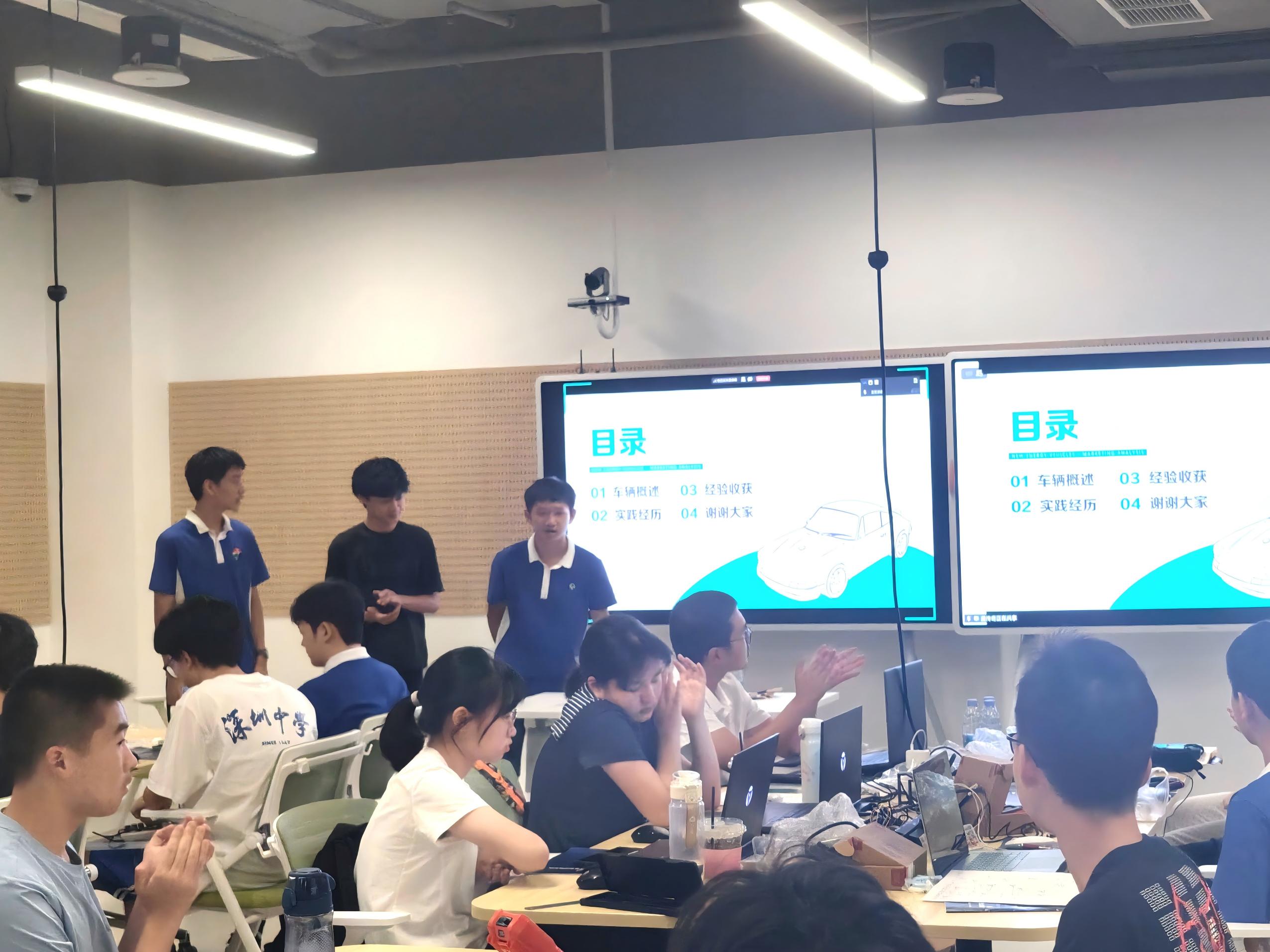
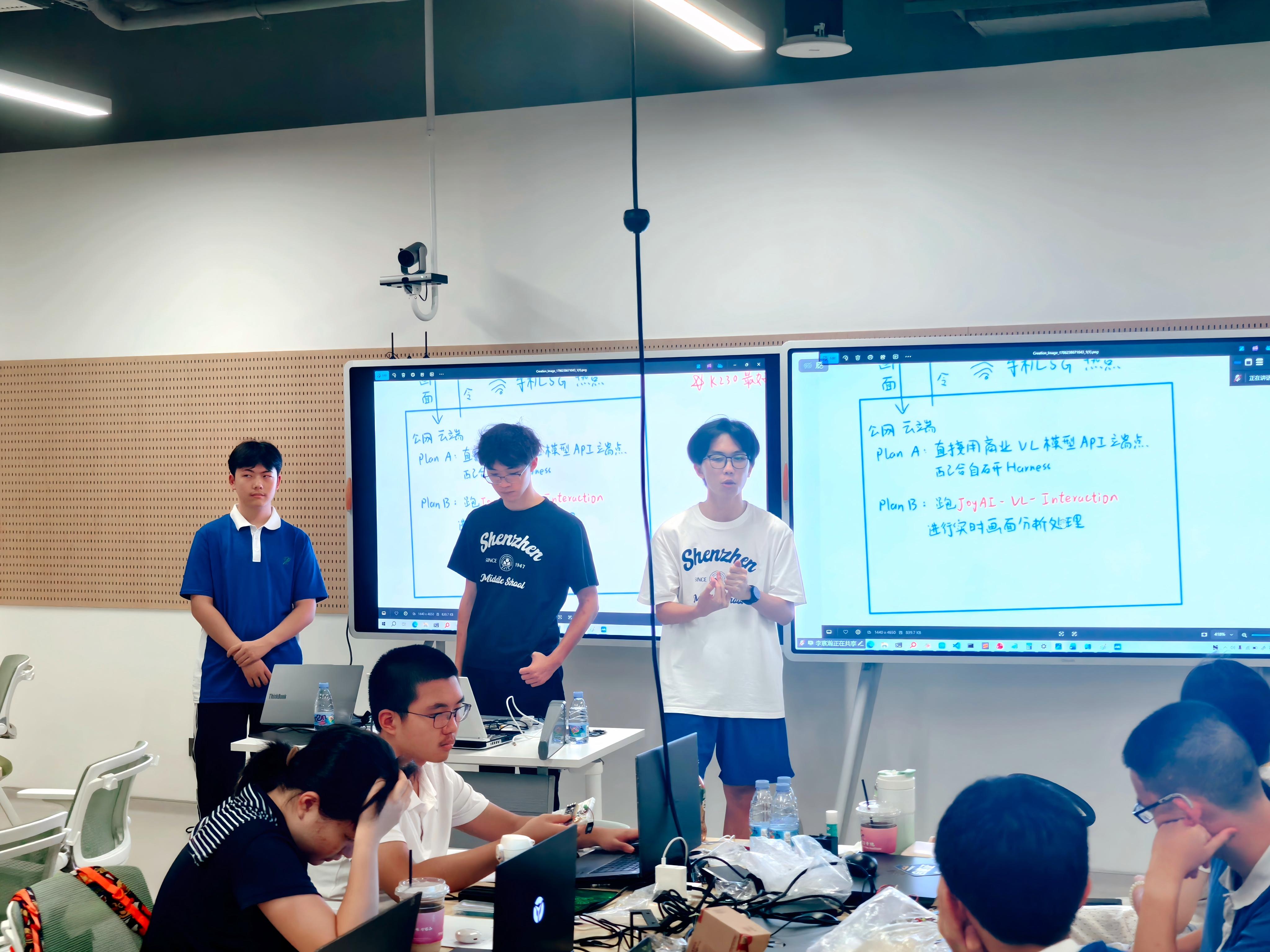
Concurrently, the AI Vehicle Manufacturing track tasked student teams with building autonomous Go-Karts from raw aluminum profiles, circuit boards, motors, and sensors. Participants navigated multiple iterations of assembly and disassembly before finalizing operational vehicles that responded to programmed commands. The track concluded with a live racing event.
 |  |
 |  |
 |  |
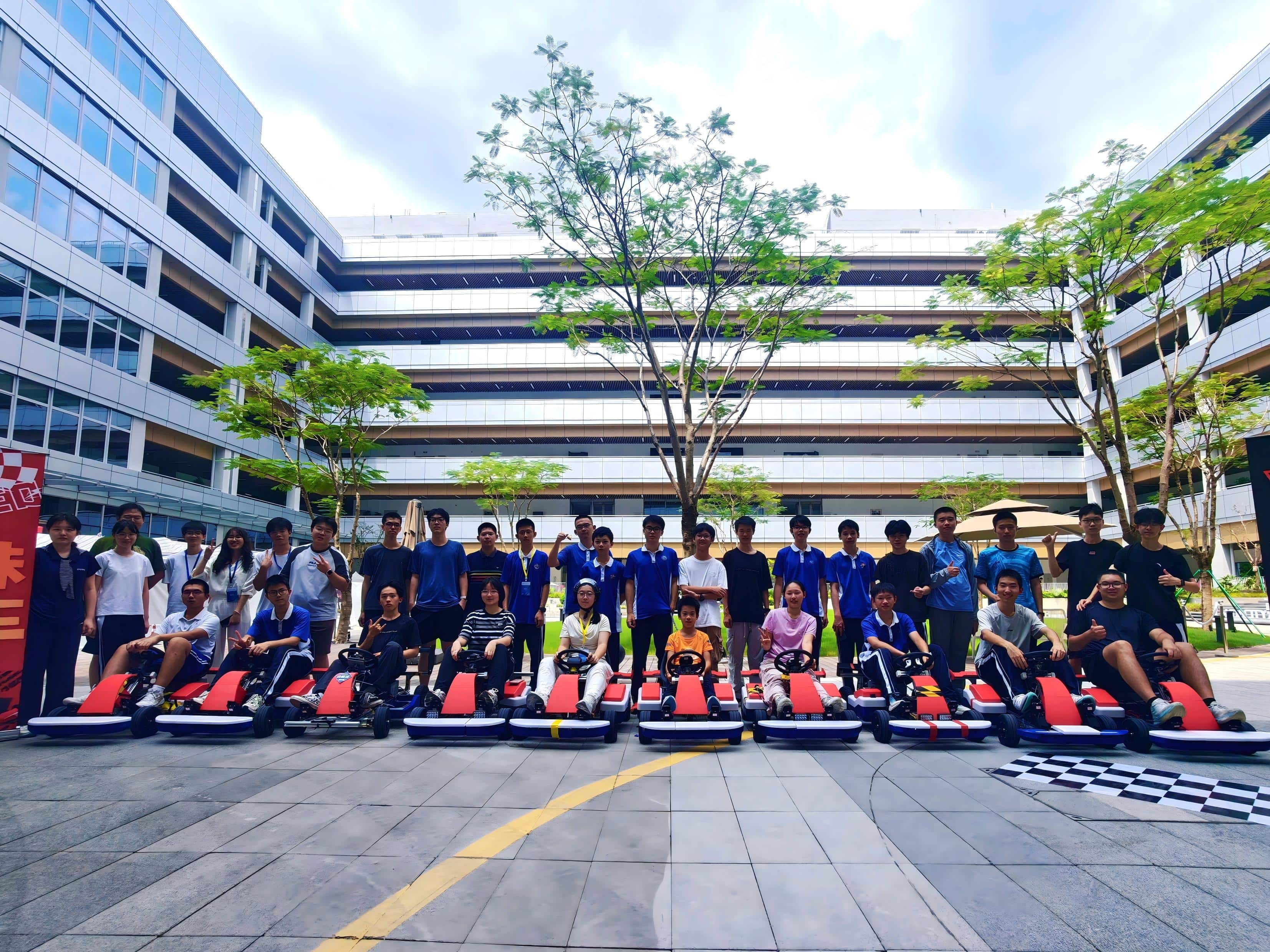 | |
AI Vehicle Manufacturing track
As AI tools automate solution generation, the learning focus shifts toward higher-order cognitive skills, including problem definition, boundary setting, and critical evaluation of outputs.
3. Academic Dialogue with SLAI Leadership
Throughout the camp, SLAI leadership and regional policymakers engaged with students in egalitarian academic dialogues, providing critical feedback on their projects.
On August 9, Ping Yang, Party Secretary of SLAI, along with Deputy Dean Dr. Wei-Shi Zheng, attended the closing ceremony of the Bay Area Sees the World track. Secretary Yang encouraged students to maintain scientific curiosity, embrace iterative refinement, and apply technology toward societal benefit.
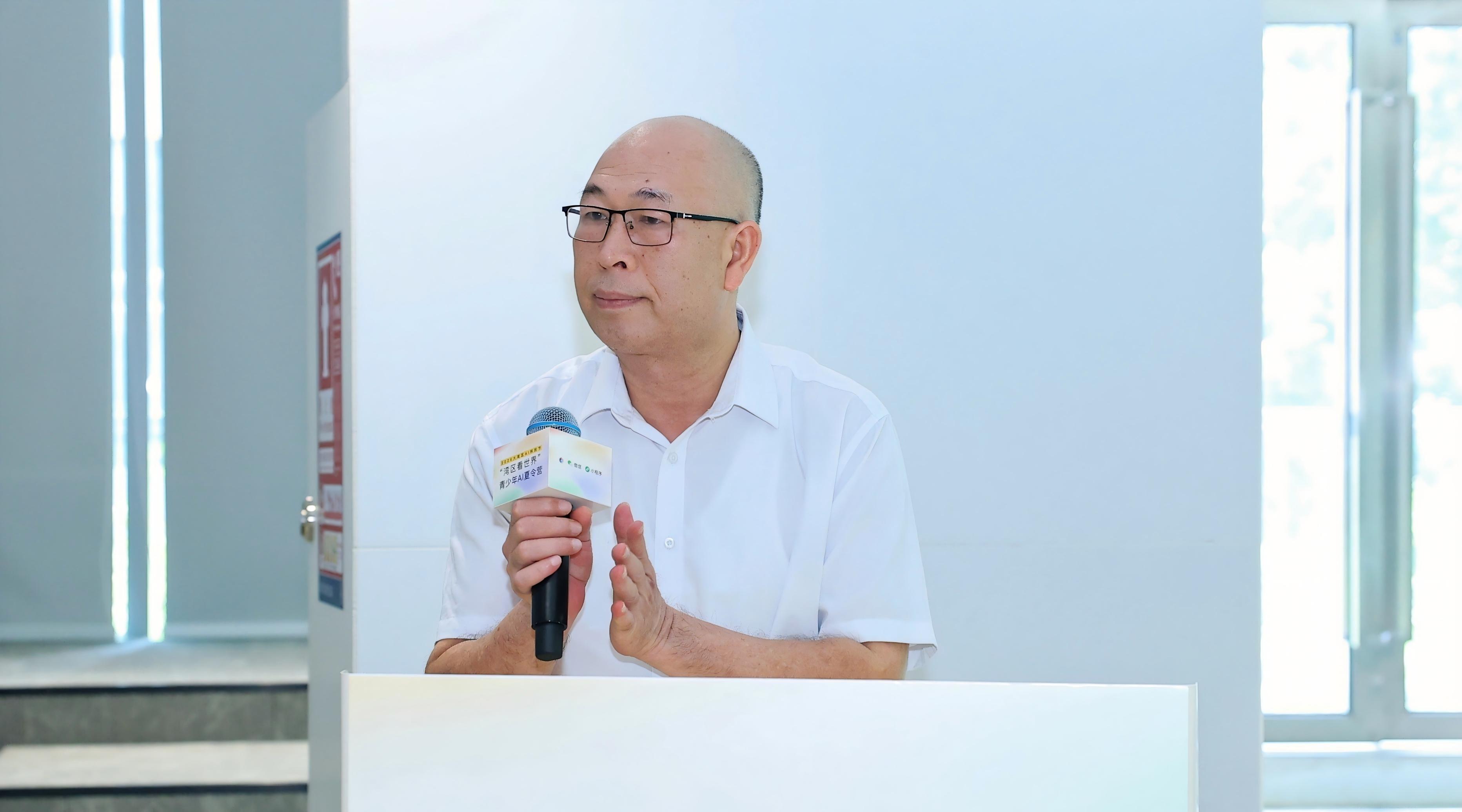
Ping Yang, Party Secretary of SLAI, Delivers Remarks.
He also outlined SLAI's role as a collaborative research hub, noting that the institute, co-established by 37 universities across the Chinese Mainland, Hong Kong, and Macao, enrolled its first cohort of doctoral researchers last September and continues to spearhead frontier AI research.
On August 10, Executive Dean Zhi-Quan (Tom) Luo and Chengyu Qiu, Deputy Director-General of the Education Bureau of Shenzhen Municipality, inspected the active classrooms across the Vibe Coding, AI Vehicle Manufacturing, and AI & Mathematical Modeling tracks.
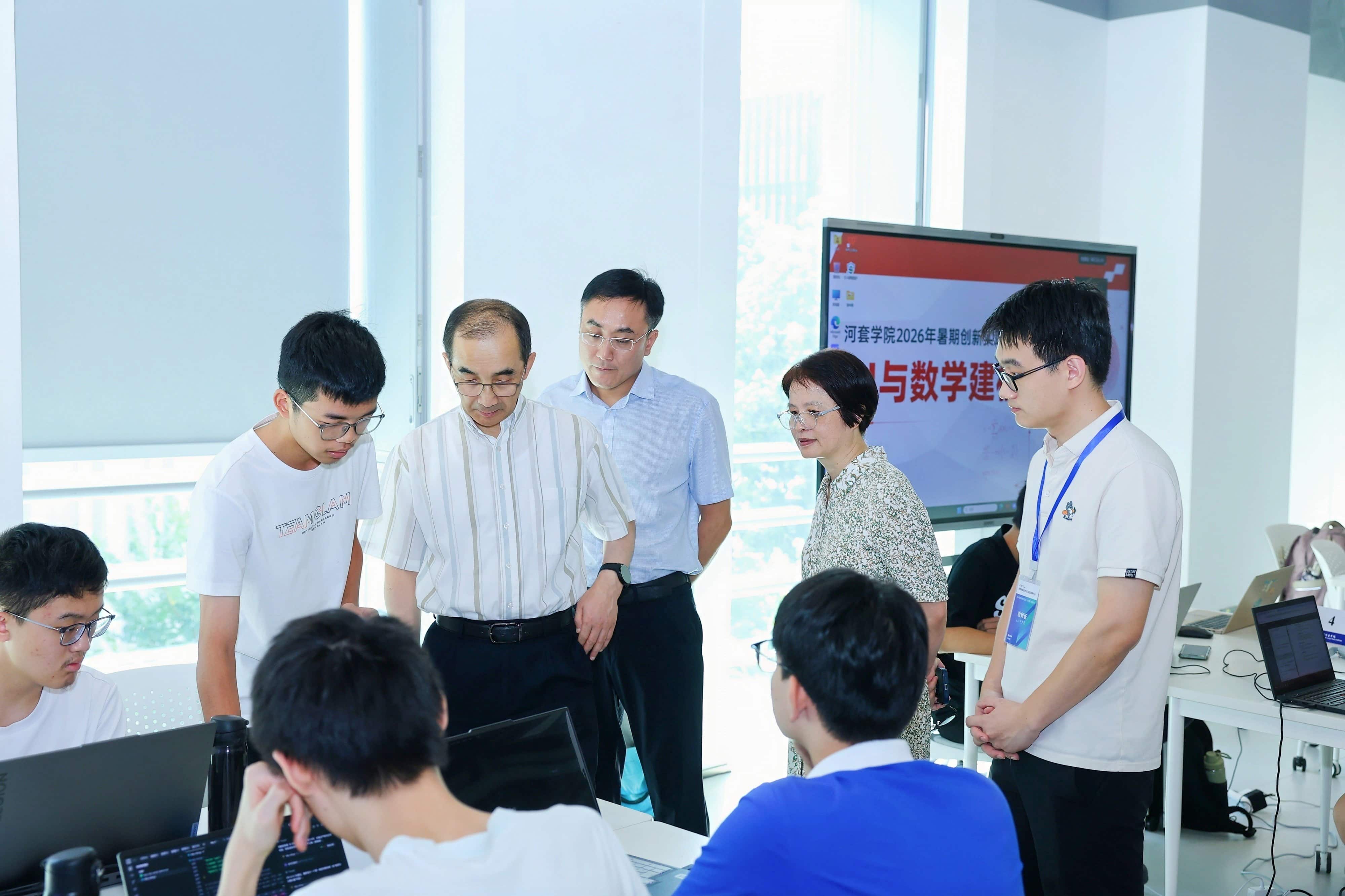
Executive Dean Luo engaged directly with student teams to refine their methodologies:
Predictive Modeling: While reviewing a student project on mosquito distribution mapping, Dean Luo suggested incorporating temporal variables, such as seasonal and weather shifts, to convert static data into predictive early-warning maps.
Algorithmic Efficiency: In discussions with a team working on autonomous route planning via Dijkstra's algorithm, Dean Luo guided students on factoring in real-time traffic conditions and time costs, prompting the team to evaluate the efficiency of alternative algorithms in real-world scenarios.
4. Beyond Skills: Cultivating Critical Thinking and Resilience
Over the 11 days, subtle yet profound shifts occurred among the young participants as they engaged deeply with frontier technology. These transformations manifested across three distinct dimensions:
Critical Judgment: Upon discovering logical errors in AI-generated code, students resisted blind acceptance, opting instead to debug line by line. This experience reinforced a crucial critical thinking skill: verifying AI outputs through independent analysis rather than passive reliance.
Persistence and Resilience: Engineering autonomous Go-Karts required student teams to disassemble and reassemble hardware components up to eight times to achieve steering precision. The hands-on troubleshooting cultivated practical problem-solving capabilities and resilience that extend beyond traditional classroom instruction.
Human-Centric Collaboration: Participants from diverse educational backgrounds navigated goal setting, task delegation, and conflict resolution to form effective project teams. The camp successfully demonstrated that modern innovation requires balancing technical collaboration with AI against strong interpersonal dynamics among team members.
5. Empowering Future Innovators
Huimin Zhang, Director of the Shenzhen Educational Information Technology Center and lead organizer of the 11-day program, highlighted that the curriculum was structured around project-based execution and real-world deliverables. "The goal was to provide students with a complete creative cycle from problem formulation to final execution," Zhang stated, encouraging participants to continue refining their projects for regional and national platforms.
"Seeing students progress from initial concepts to functional, hands-on projects offers a level of fulfillment far more meaningful than traditional awards," Zhang said. "The conclusion of this camp marks not an end, but a catalyst for future development. I encourage all participants to take their projects home, refine them, and represent Shenzhen and the Greater Bay Area on national and global platforms."
In an era where artificial intelligence updates continuously, the longevity of specific technical knowledge diminishes rapidly. However, the foundational skills honed through hands-on practice, including analytical inquiry, critical evaluation of information, resilience in the face of setbacks, and collaborative empathy, serve as a vital foundational skill set for navigating emerging technologies.
EAIIC confirmed that its facilities will remain accessible to participants, serving as an ongoing hub for student exploration and project refinement.