ICBS 2026 Engineering Science Night Illuminates Life, Shapes Intelligence
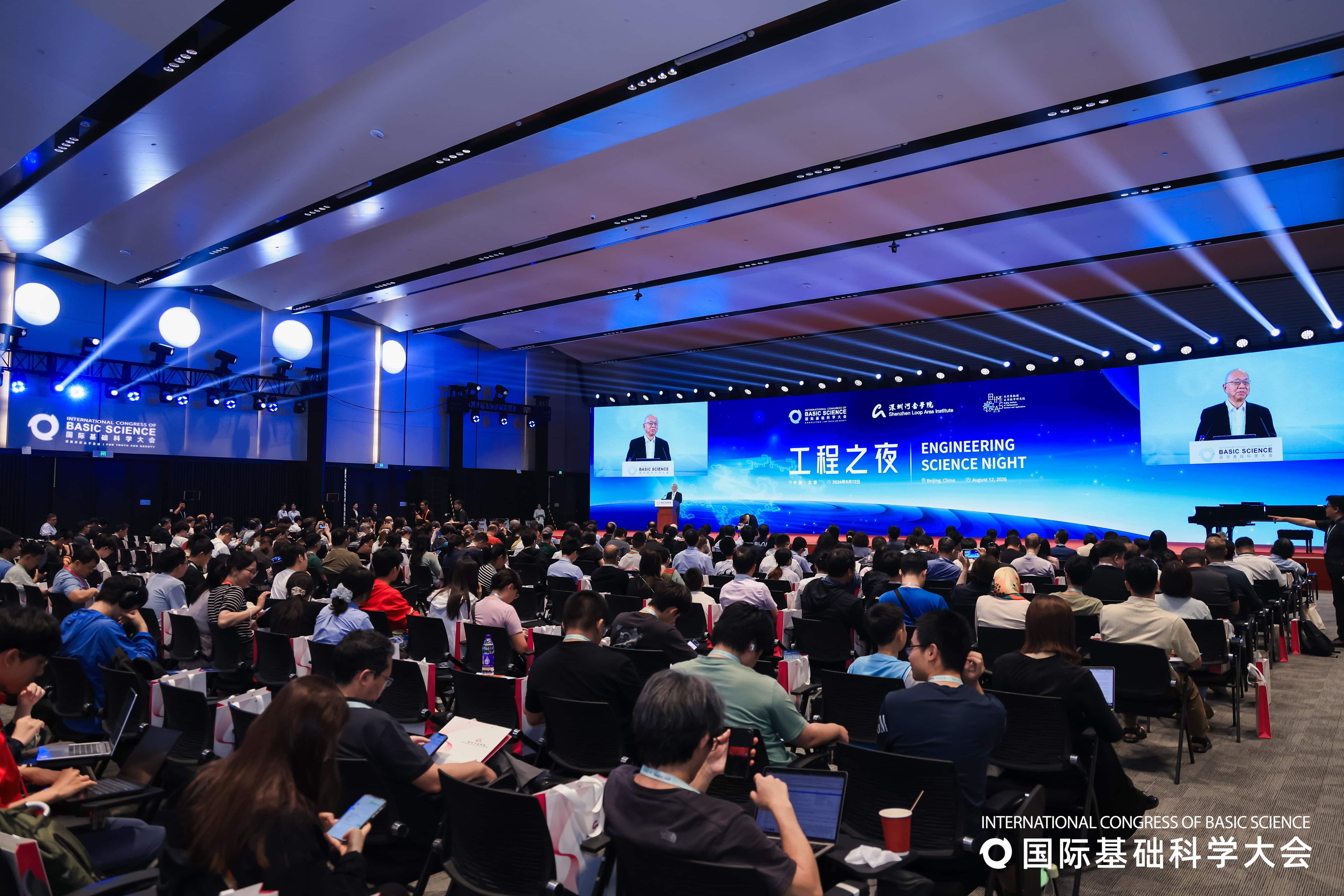
The 2026 International Congress of Basic Science (ICBS) Engineering Science Night convened leading scholars across mathematics, physics, the life sciences, artificial intelligence (AI), and engineering for in-depth discussions on how basic science should advance amid the AI wave. The event highlighted how frontier engineering technologies are expanding new observational capabilities and experimental platforms for basic research, and explored the fresh opportunities AI is creating for basic science. Participants reached a broad consensus that although the momentum of AI is irreversible, the founding mission of science endures.
【Opening Remarks】
The Engineering Science Night opened with a robot performance. In his opening remarks, Professor Shing-Tung Yau, ICBS chair, said that AI has sharply narrowed the distance between engineering technology and basic disciplines such as mathematics and physics, becoming an indispensable tool for researchers. But tools can only extend the boundaries of human exploration; they cannot define key scientific questions on their own, nor can they judge whether research findings deepen human understanding of natural laws. AI, he noted, commands only the stock of knowledge humanity has already accumulated, while vast unknowns in nature remain to be discovered. The creative thinking, logical reasoning, and humanistic feeling unique to humans remain beyond AI's reach.
In the coming years, he said, AI will keep solving existing open problems, but the long-term development of disciplines will still depend on human ingenuity to uncover new, unknown questions.
He urged young researchers not to rely solely on AI for answers: they should preserve independent judgment, use AI tools to broaden their research horizons, and pursue deeper inquiry to achieve more far-reaching breakthroughs.
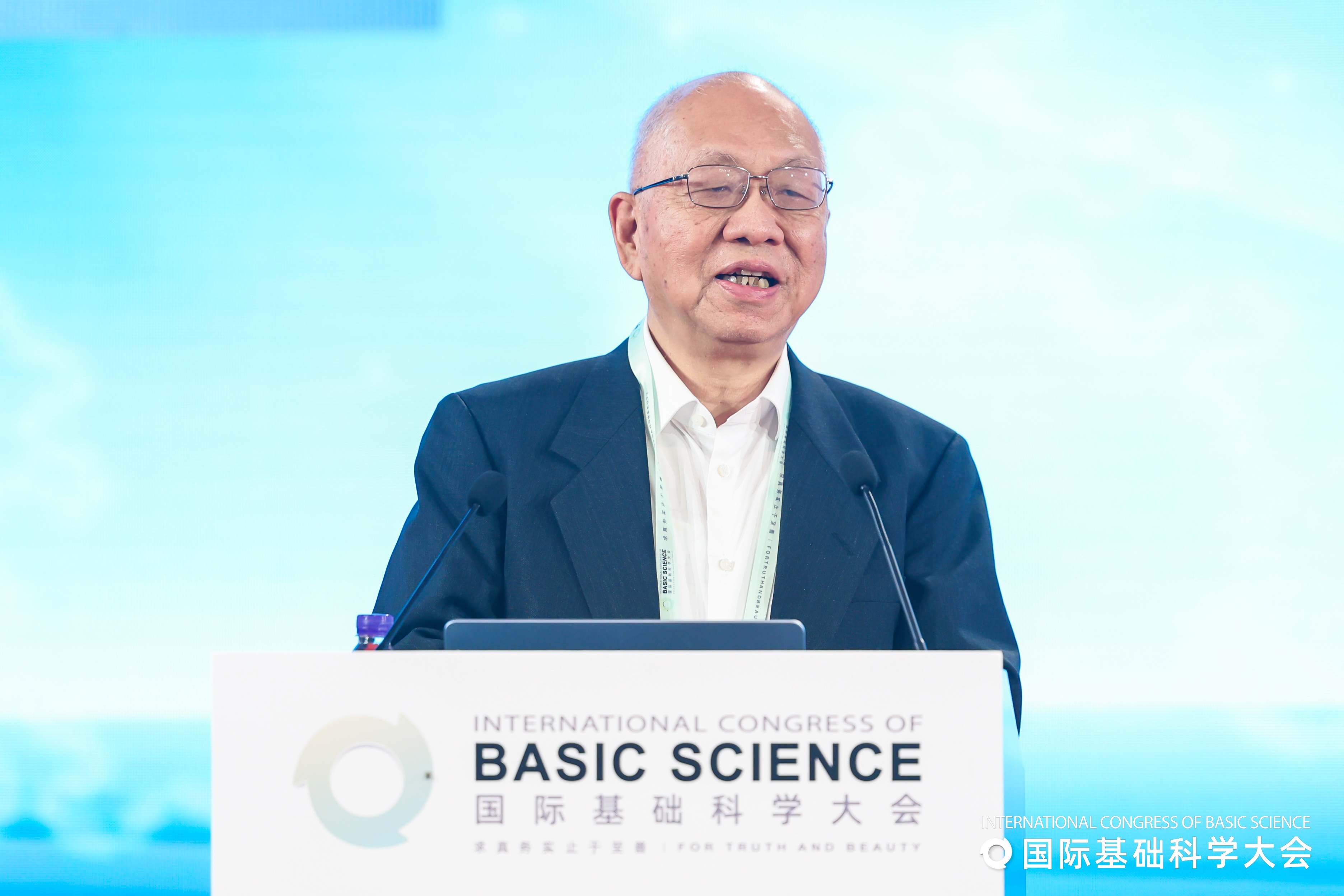
Prof. Shing-Tung Yau delivers opening remarks.
Zhi-Quan (Tom) Luo, Executive Dean of the Shenzhen Loop Area Institute (SLAI) and Vice President of The Chinese University of Hong Kong, Shenzhen (CUHK-Shenzhen), followed with remarks. AI research, he said, cannot stop at validating model functionality; it must also clarify the underlying principles and design logic behind the technology. Only by closing the validation loop across theoretical derivation, algorithm design, hardware architecture, chip development, and physical experimentation can AI move beyond empirical trial-and-error and form a complete scientific-engineering system that is interpretable and customizable.
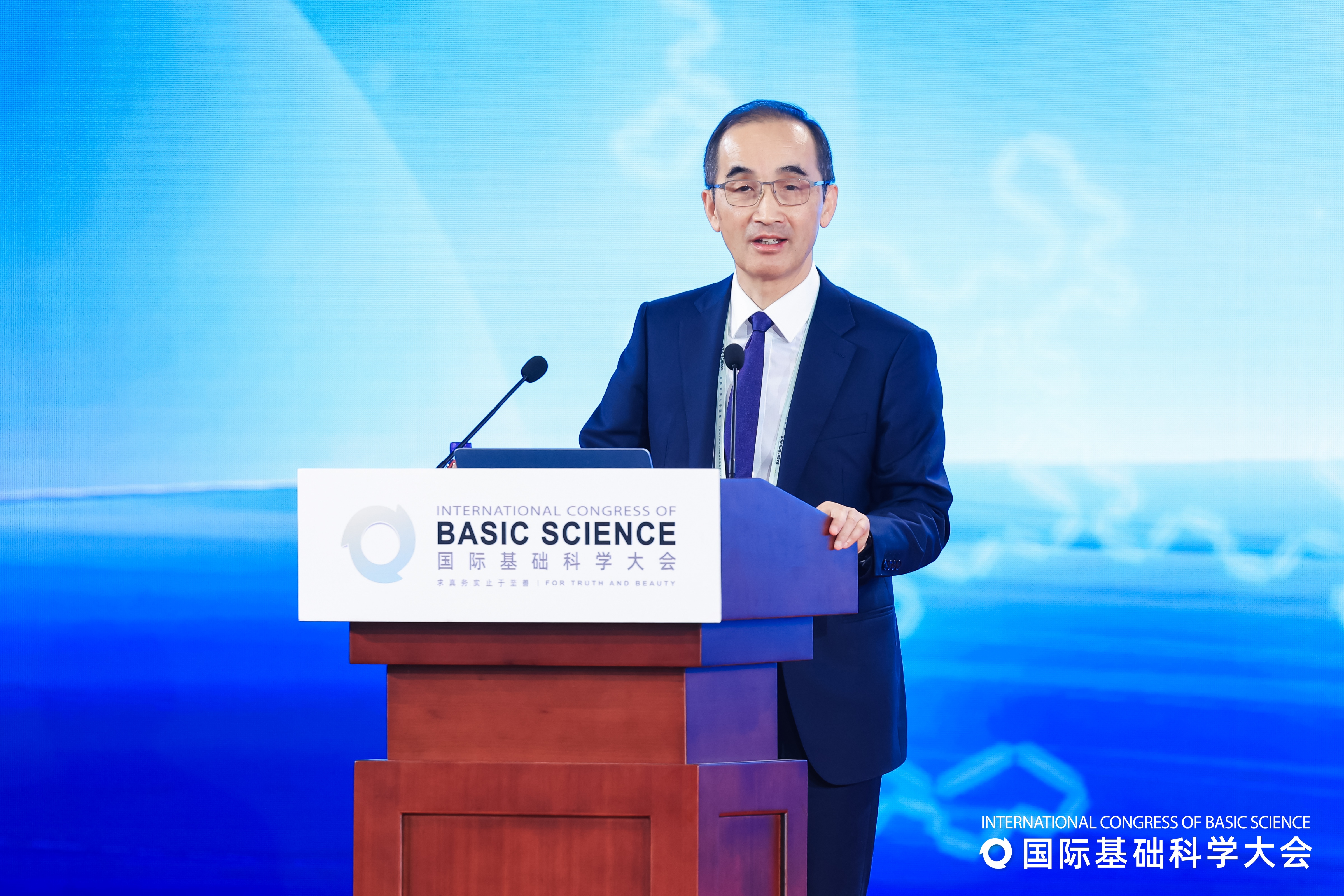
Prof. Zhi-Quan (Tom) Luo delivers remarks.
【Keynote Speeches】
Xiaowei Zhuang: Making Life's Molecular Machinery Visible
Xiaowei Zhuang, recipient of the 2026 ICBS Steven Chu Medal in Engineering, member of the U.S. National Academy of Sciences, and professor at Harvard University, delivered a keynote lecture titled Illuminating Biology at the Nanoscale by Super-resolution Imaging. She described how super-resolution imaging breaks the diffraction limit of conventional optical microscopy, improving observation resolution from 200 nm to the scale of only a few nanometers and making previously unobservable cellular structures and life processes directly visible.
Understanding life processes, Zhuang noted, requires not only identifying the types of molecules inside cells but also precisely capturing their spatial positions, trajectories, and interactions. Fluorescence labeling can pinpoint target molecules with high specificity, but its resolution remains constrained by optical diffraction; cryo-electron microscopy can resolve atomic-level structures yet cannot capture dynamics in living cells. The stochastic optical reconstruction microscopy (STORM) developed by her team broke the resolution bottleneck through sparse single-molecule localization over successive frames, combined with image stacking and reconstruction, and was later extended to three-dimensional imaging and real-time live-cell imaging.
These imaging advances enabled a series of new biological discoveries. When observing neuronal axons, the team found for the first time that actin forms a membrane-associated periodic skeleton (MPS) along the cell membrane, with a period of about 180–190 nm. Combining multicolor fluorescence imaging, protein screening, and molecular perturbation experiments, the team deciphered the skeleton's molecular composition and revealed its central role in regulating endocytosis. The structure is not fixed: it undergoes local disassembly and reassembly in response to calcium signaling, maintaining a dynamic balance between mechanical support for axons and dynamic regulation of the cell membrane.
Zhuang concluded that super-resolution imaging turns previously unobservable microscopic life phenomena into quantifiable and testable scientific questions, but a single image is only a starting point; full biological mechanisms still require multiple rounds of experimental cross-validation.
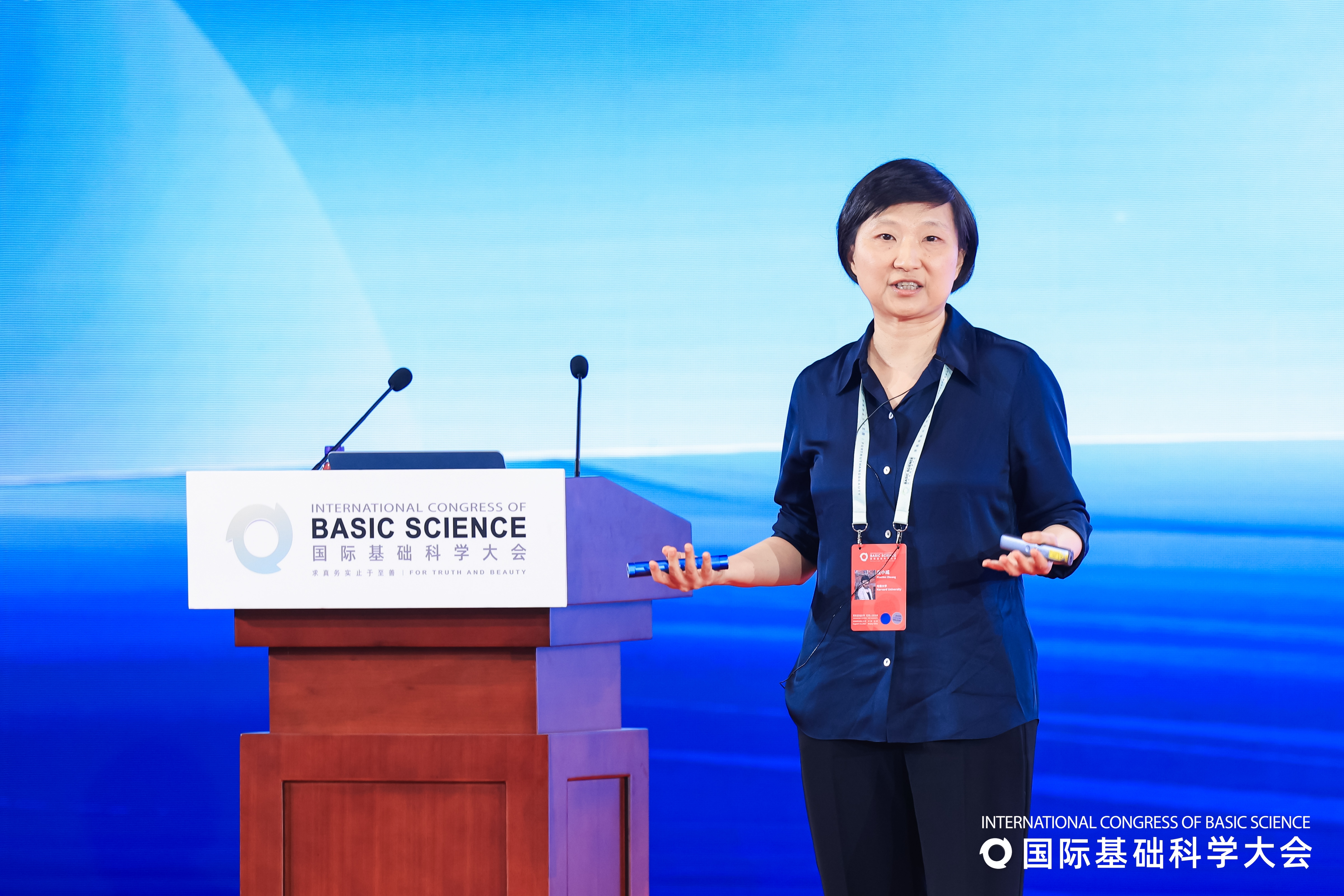
Prof. Xiaowei Zhuang delivers a keynote report.
Xiaodong He: Bringing Intelligence from the Digital World into the Physical World
Xiaodong He, Senior Vice President of JD.com and head of its AI innovation business, delivered a speech titled From Digital Human to Humanoids, tracing how AI is extending beyond the digital world of text, images, and sound into a physical world endowed with embodied perception and motor feedback.
The speech began by reviewing the long build-up of AI capabilities. Taking speech recognition as an example, deep learning drove a performance jump of around 20% around 2010, and by 2017, Microsoft had matched professional human transcription on the Switchboard task—evidence that novel model architectures can push past the performance limits of complex tasks only when combined with large-scale data, compute, and systems engineering. Language intelligence followed a similar path: from word2vec embeddings and attention mechanisms to the Transformer architecture and GPT-series models, model capabilities have scaled in step with data and engineering. Innovations that were initially underrated, such as word2vec and DSSM, often had their value recognized anew in later applications.
Multimodal intelligence, in turn, has carried machines beyond the boundaries of text, enabling cross-modal generation across texts, images, audio, and video, and extending further into scientific research: fields such as weather forecasting, single-cell data modeling, and materials prediction have already begun to benefit from large models' ability to integrate knowledge. Digital humans epitomize this multimodal convergence. In 2024, a livestream hosted by the digital avatar of JD.com founder Richard Liu drew more than 40 million views, demonstrating the viability of digital humans in large-scale real-time interaction. The JD.com team has also reconstructed 3D figures guided by single-camera skeleton tracking, moving from human-driven avatars to AI-native virtual character generation.
Moving from digital humans to robots fundamentally changes the nature of the problem. Robots must convert model outputs into real-world actions, performing perception, planning, and control under limited computing power and real-time constraints. The BRMData dataset presented by He covers 10 categories of household tasks and, combined with imitation learning and conditional generative models, enables robots to learn manipulation skills from text instructions. The yardstick for embodied intelligence is no longer benchmark accuracy, but whether a robot can recognize changes in its environment, complete tasks in succession, and adjust on its own when it fails.
Data is another foundational endeavor for embodied intelligence. He set out goals of building tens of millions of hours of real-world human video and 1 million hours of robot manipulation data, noting that human demonstrations cannot be copied directly into robot actions—how to turn human behavior into machine-learnable data still remains a key challenge. He emphasized that only when fused with sensors, controllers, mechanical structures, and safety mechanisms can algorithms become actors in the real world. Engineering is no longer a packaging step for algorithms; it is an integral part of making intelligence run reliably.
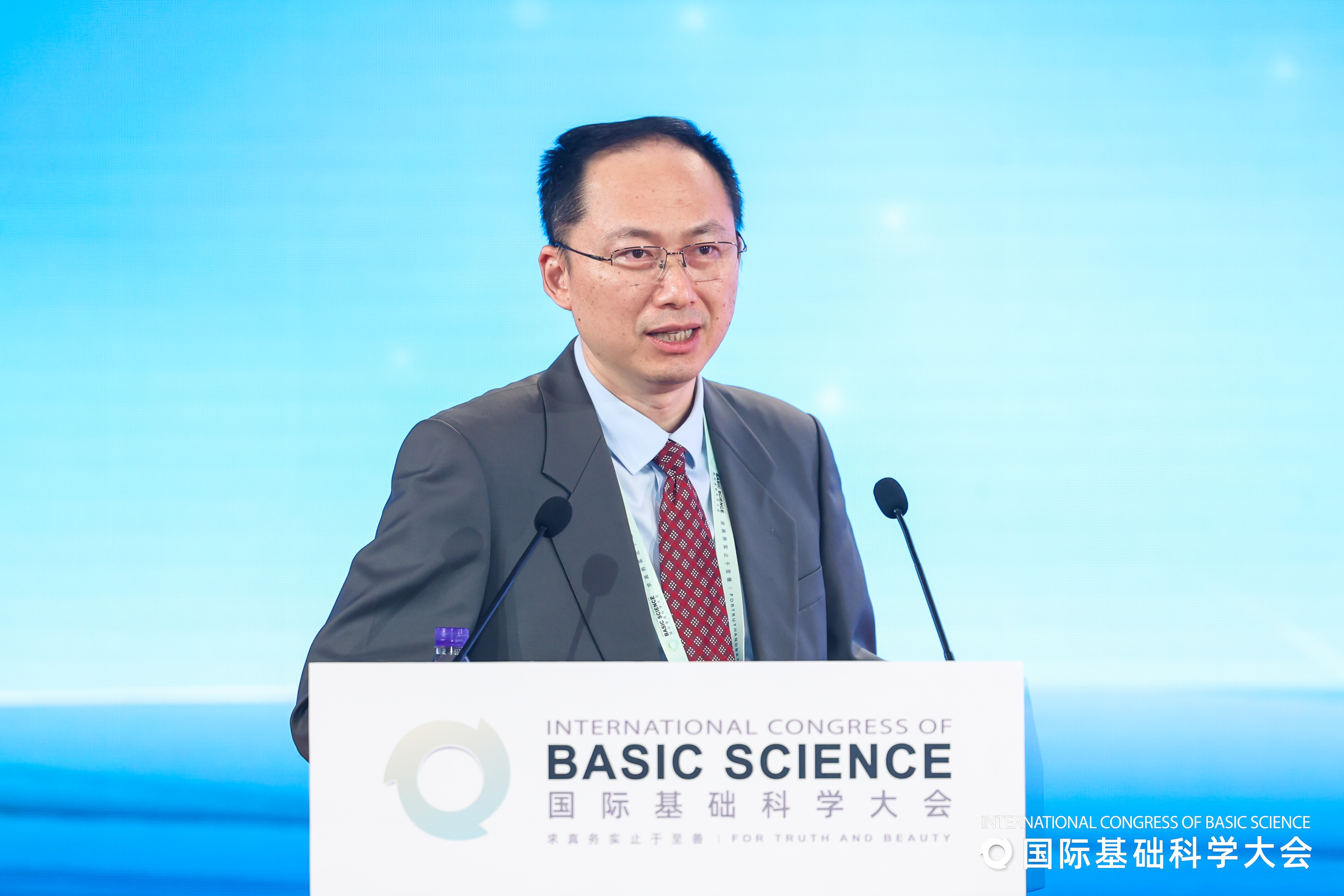
Xiaodong He, Senior Vice President of JD.com and head of its AI innovation business, delivers a keynote report.
Juli Feigon: From Nucleic Acid Structures to the Mechanisms of Life
Juli Feigon, Distinguished Professor of Biochemistry at the University of California, Los Angeles (UCLA), delivered a talk titled A (Scientific) Lifetime Affair with Nucleic Acids: From G-quadruplexes to Telomerase, retracing her research journey of more than 3 decades—from the local structures of nucleic acids to complete molecular machines.
Starting from NMR studies of telomeric DNA in ciliates, Feigon revealed the G-quadruplex structure formed by stacked guanine tetrads, enabling researchers to understand this non-canonical nucleic acid conformation at the atomic level. Her team subsequently used NMR to solve the pseudoknot structure in human telomerase RNA, discovering that the base triplexes formed between the loop and stem regions are critical to telomerase function—disrupting these interactions significantly impairs telomerase activity.
Telomerase is a ribonucleoprotein complex built around telomerase reverse transcriptase (TERT) and telomerase RNA (TER), responsible for maintaining telomere length at the ends of linear chromosomes. Its activity is tightly regulated: in most human cells, telomerase activity remains low and telomeres shorten with each cell division; in about 90% of tumor cells, telomerase is aberrantly activated, sustaining unlimited cancer cell proliferation; and mutations in the genes encoding telomerase components can produce excessively short telomeres, triggering diseases such as aplastic anemia. Telomerase is not a simple "on-off switch for longevity" but a regulatory node whose effects cut both ways—aberrant activation fuels cancer, while loss of function triggers degenerative disease.
Feigon's team integrated NMR, cryo-electron microscopy (cryo-EM), X-ray crystallography, and biochemical assays, improving the structural resolution of telomerase from roughly 25 angstroms down to 3.3 angstroms. This mapped the spatial relationships among the TERT domains, the RNA, and accessory proteins and captured a dynamic mechanism in which the short duplex of about 4 base pairs formed by the template RNA and the DNA primer extends and contracts during synthesis.
The structural studies directly guided pharmaceutical intervention. Early work based on the red flour beetle (Tribolium castaneum) model held that the inhibitor BIBR1532 binds the CTE "thumb" domain, whereas cryo-EM imaging of human telomerase later revealed that it actually binds the "fingers–palm" pocket of the reverse transcriptase domain, acting by inhibiting the rate-limiting step of first nucleotide addition. The study measured its half-maximal inhibitory concentration (IC₅₀) at 67 ± 14 nanomoles per liter. Feigon also presented imetelstat, which has been approved, and 6-thio-dG, which has entered Phase III clinical trials, illustrating how telomerase research is moving from fundamental mechanisms toward clinical exploration. She emphasized that seeing a structure clearly is not merely about obtaining exquisite images—it is about knowing where and how to intervene, because a wrong structural model can steer drug optimization in the wrong direction.
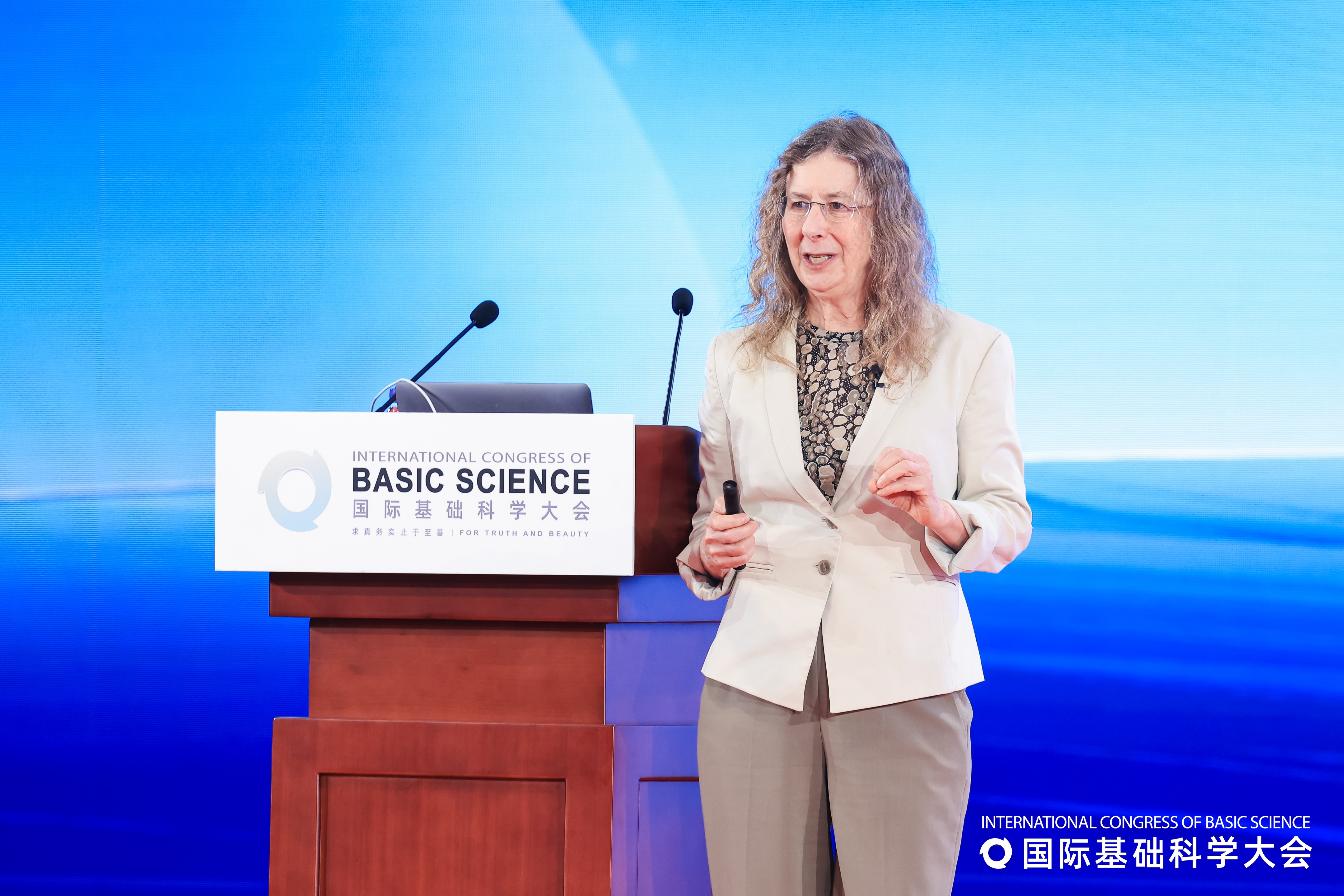
Prof. Juli Feigon delivers a keynote report.
【Panel Discussion】
AI Changes the Path of Science, but Not Its Core
Chenye Wu, Assistant Dean of SLAI, moderated the panel discussion. 5 academicians—Shing-Tung Yau, Zhi-Quan (Tom) Luo, Robert Endre Tarjan, Jinchao Xu, and Yonggang Huang—took the stage together, and, under the theme of "Basic Science in the AI Era", drew on disciplinary perspectives spanning mathematics, algorithms, scientific computing, AI, and mechanics and sensing to explore how AI is reshaping the pathways of basic research, how technological tools can be translated into reliable scientific conclusions, and how young scholars should be trained amid the AI wave.
The discussion first addressed the question: "Is AI merely a tool that accelerates scientific research, or is it becoming a new method of scientific research in itself?" The panelists' views converged on one judgment: the pursuit of science itself has not changed; what has changed is the way researchers identify problems, analyze them, and arrive at new knowledge. Prof. Shing-Tung Yau stated that basic science is still driven by curiosity and by the pursuit of truth and beauty. Technology can enhance researchers' ability to process information and explore questions, but it cannot automatically decide which questions are worth investigating, nor can it replace researchers in forming new concepts for understanding nature.
On the reliability and safety of AI itself, Prof. Zhi-Quan (Tom) Luo pointed out that algorithms need to adapt to parallel, distributed, and asynchronous computing while remaining stable under limited precision. Researchers must ask not only whether a model can complete a task, but also where errors originate, how they accumulate, and where the boundaries of system reliability lie. Prof. Jinchao Xu, citing repeatedly solved problems as an example, noted that operator learning makes it possible to learn the mappings offline so that the learned experience can be reused, but approximate results cannot replace the original equations; physical conservation laws, boundary conditions, stability, and error analysis still determine the credibility of results. AI-assisted numerical methods adapt to practical problems, while mathematical structures constrain the scope of learning and the validity of conclusions.
On what new constraints arise as AI moves from digital space into the physical world, Prof. Yonggang Huang noted that AI must rely on sensors to obtain real signals. Flexible electronic devices can be attached to or worn on the surface of the human body, continuously collecting electrocardiographic, electromyographic, and motion data. The difficulty, however, lies in making the devices small and flexible while keeping them stable over long periods of movement and deformation.
On the capabilities that young researchers most need to cultivate in the AI era, Prof. Tarjan said that with curiosity, intrinsic motivation, an independent research direction, and sustained dedication, researchers can train AI into a powerful research tool, but they must also form their own sense of problems and standards of judgment.
Prof. Shing-Tung Yau concluded: scientific research cannot stop at solving problems that have already been posed; more important is to create new concepts, new formulations, and new pathways for understanding nature, and to combine the computing power offered by AI with experimental observation and theoretical deduction.
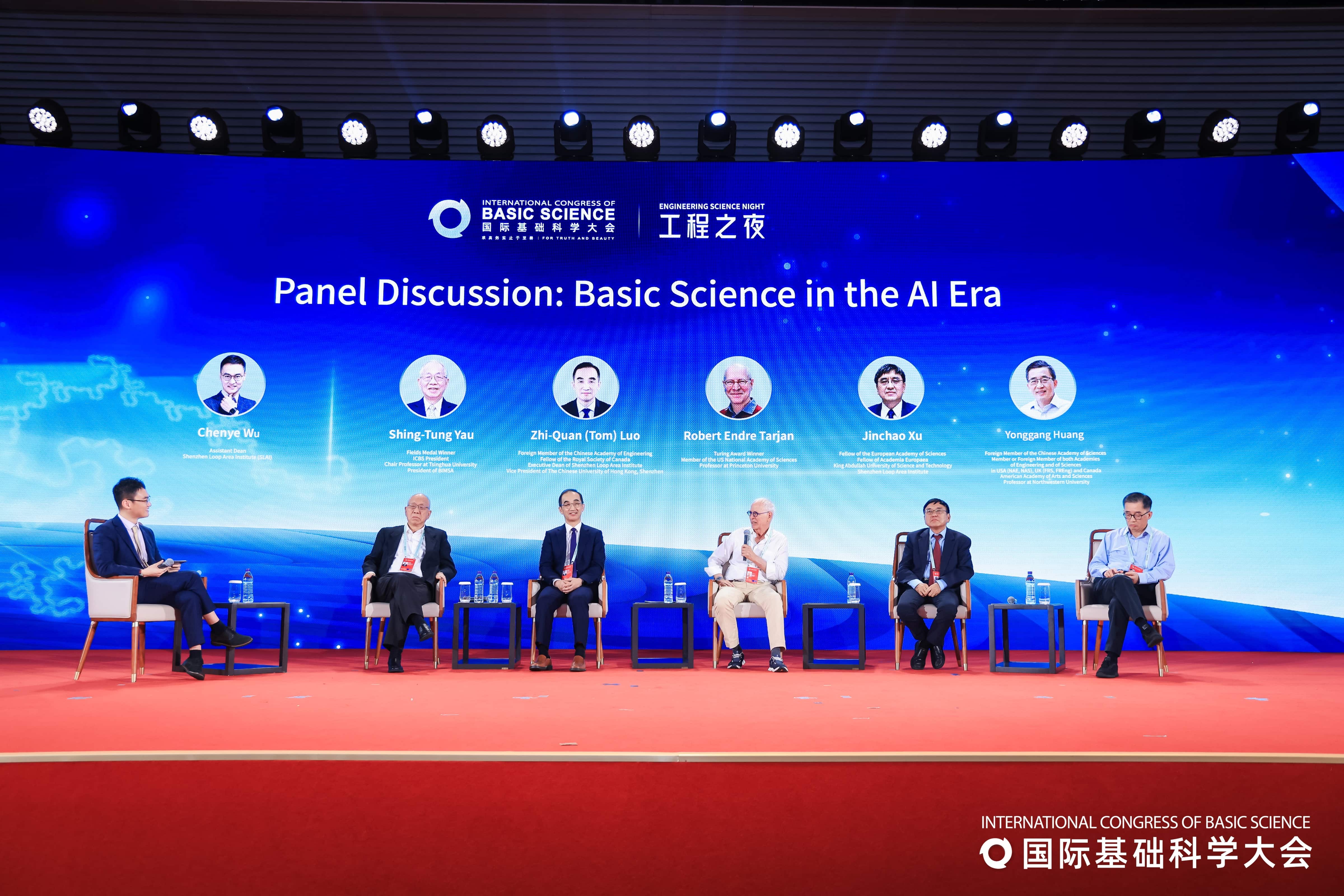
Panel discussion session
【Special Concert】
By Yanqi Lake, a Harmony of Reason and Emotion
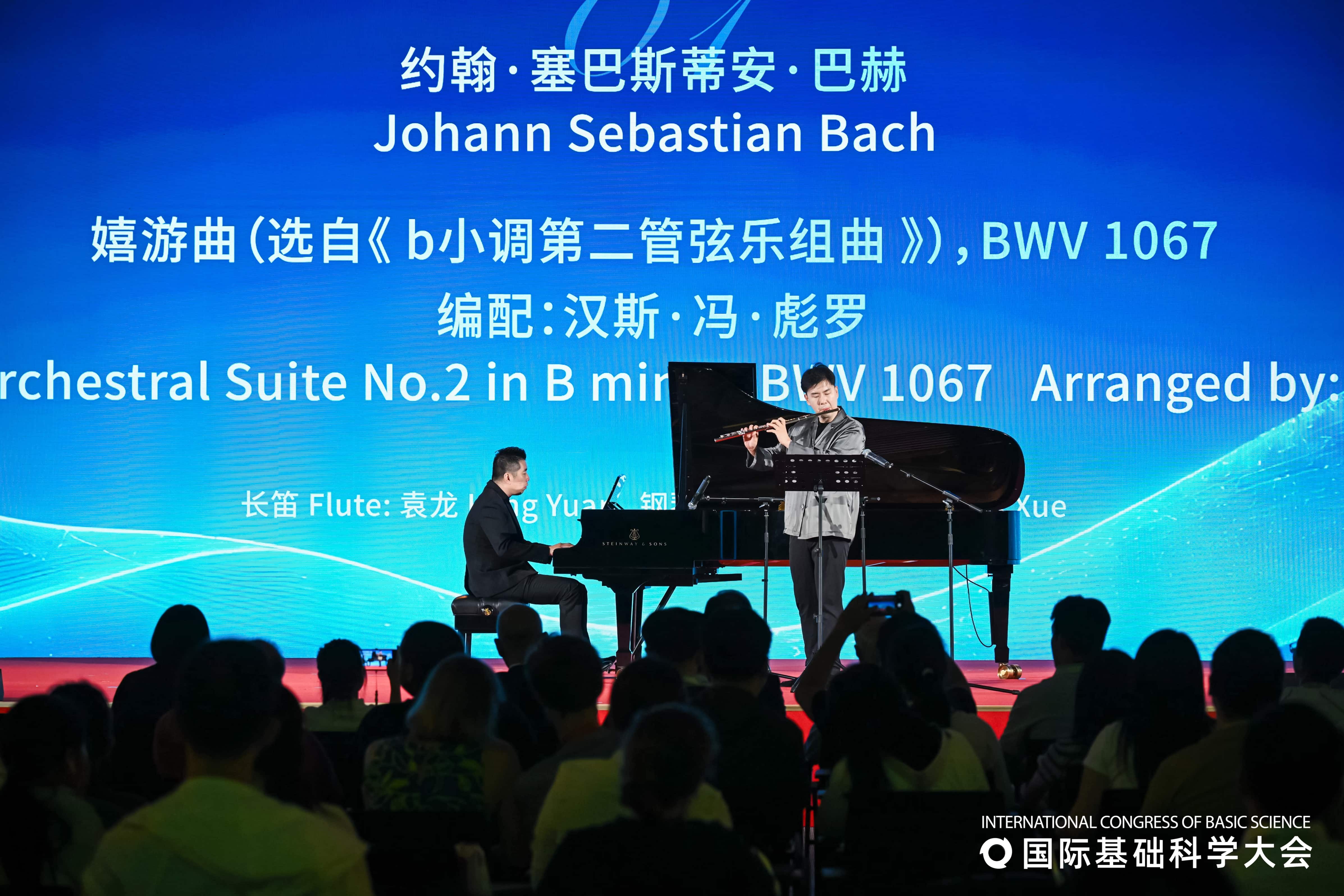
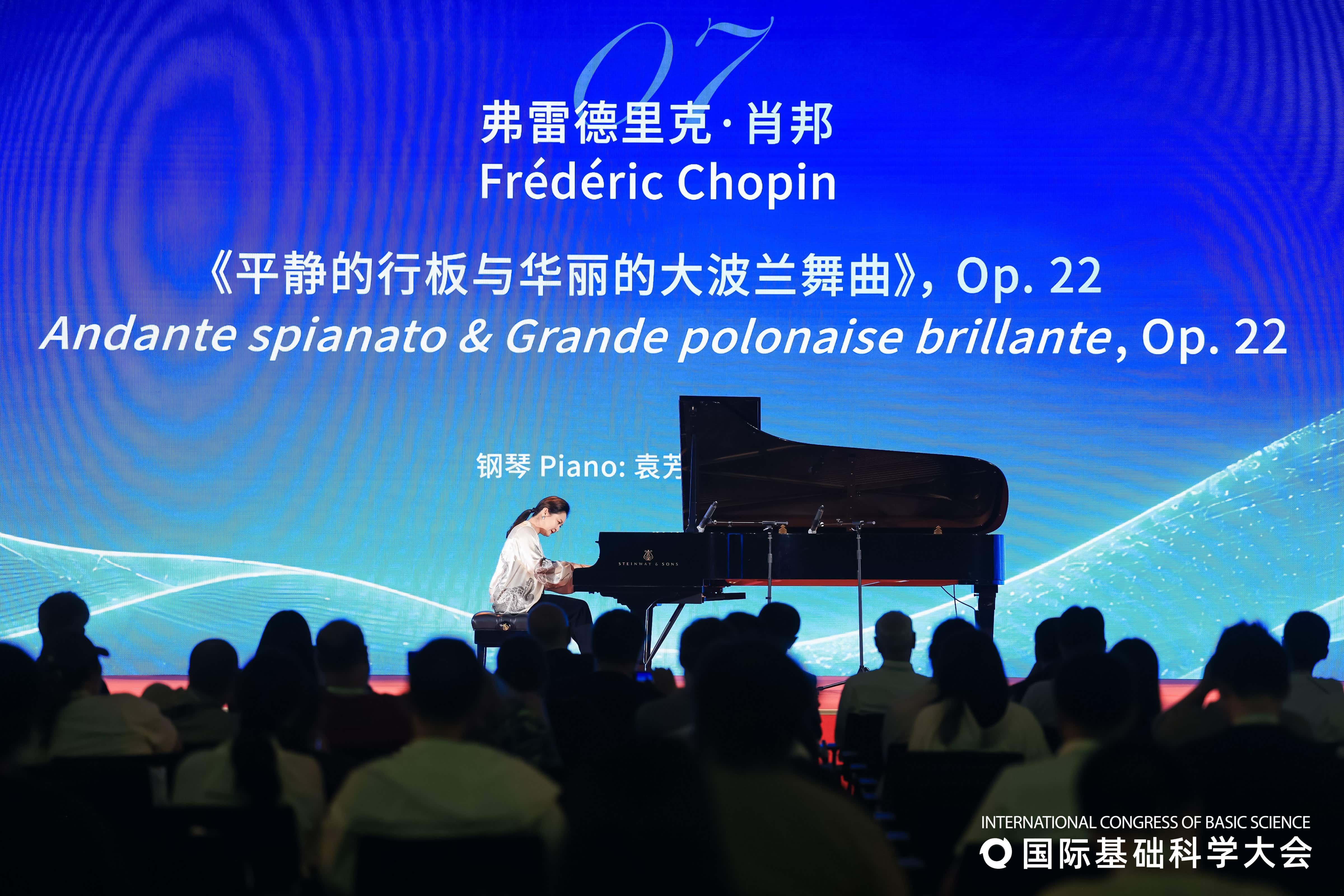
Following the panel discussion, faculty members and students from the School of Music, CUHK-Shenzhen presented a captivating concert, rounding off the "Engineering Science Night" of ICBS 2026. 8 artists and faculty and student representatives—Fang Yuan, Liping Zhang, Jialin Zhang, Yingjia Xue, Shucong He, Lei Cai, Long Yuan, and Chengyu Mao—delivered performances of international caliber. As basic science inquires into the deepest truths of the universe and music probes the deepest resonances of human emotion, the evening created an exquisite resonance between science and art. With a streamlined chamber ensemble, the concert strung together 4 musical periods—Baroque, Classical, Romantic, and Contemporary—embracing both Eastern and Western musical traditions.
The concert was not only an artistic feast but also a heartfelt tribute to human creativity. As the rational light of basic science and the beauty of musical notes shone against each other in the night by Yanqi Lake, the fusion of science and art found its most vivid and heartfelt expression. Beyond rigorous academic exchange, the attendees also felt, in the melodies, a resonance that reached straight into the heart.
【Conclusion】
From the fluorescent spots in super-resolution imaging to the dynamic duplex of only a few base pairs inside telomerase, and to robots entering industrial and everyday settings, the "Engineering Science Night" showcased a "science–engineering" cycle: engineering creates new tools, and new tools enable new observations; basic science advances observations into mechanisms, and new understanding returns to engineering systems and the real world. AI is accelerating this cycle and expanding its scale, but it has not eliminated theory, experimentation, judgment, or responsibility.
As a new type of research institution in AI rooted in Shenzhen and facing the world, SLAI has remained committed to advancing theoretical innovation and application breakthroughs in key areas of AI. With a global outlook, an interdisciplinary approach, and deep industry-academia collaboration, the Institute continuously draws top-tier research resources and innovative forces from around the world to push the frontiers of AI and keep basic research and industrial application flowing in both directions. The science–engineering cycle presented at the "Engineering Science Night" vividly embodies SLAI's educational philosophy: bridging basic research and industrial application, forging pathways from theoretical breakthroughs to engineering practice, and bringing AI-era innovation from the laboratory into the real world.
 |  |
 |  |
 |  |
Scenes from the congress