【SLAI Seminar】第三十二期:Advanced Robotics for Effective Stroke Rehabilitation Treatment in Home Environment 先进机器人技术用于家庭环境下的有效中风康复治疗 (March 27 , 10:00)
SLAI Seminar 32nd Session will be discussing the topic on "Advanced Robotics for Effective Stroke Rehabilitation Treatment in Home Environment ", from 10am-11:30am, March 27th (Friday) at Room B401, online participation is welcome.
(Tencent Meeting ID: 334-854-597)
报告主题:先进机器人技术用于家庭环境下的有效中风康复治疗
时间:2026年3月27日(周五)上午10:00-11:30
地点: 深圳河套学院B401教室
线上参与:腾讯会议号334-854-697
主讲嘉宾:谢胜泉教授
主持人:范衠教授
讲者简介About the Speaker:
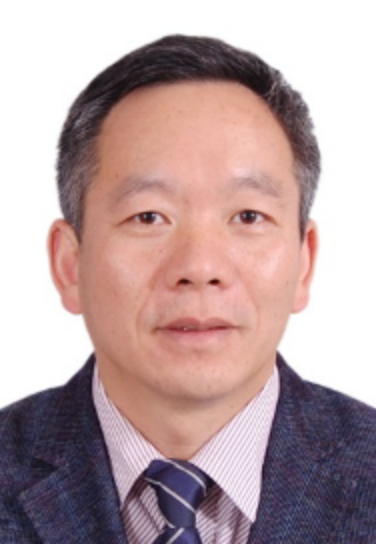
谢胜泉教授,新西兰皇家科学院院士、新西兰工程院院士、IEEE会士、ASME会士、IMechE会士及AAIA会士,现任英国利兹大学机器人与自主系统讲席教授及康复机器人实验室主任。谢教授曾于2002年至2016年担任新西兰奥克兰大学康复与医疗机器人中心主任。谢教授在医疗机器人与外骨骼领域拥有超过30年的研究经验,已发表超过500篇同行评审论文,出版康复外骨骼设计控制、神经肌肉建模及先进人机交互领域的专著8部。自2003年以来,他领导的团队累计获得来自5个国家超过3000万英镑的科研经费,指导博士后15余名、博士研究生100余名、硕士研究生80余名,其团队研发的三款康复外骨骼荣获国际创新奖项。谢教授在外骨骼控制领域具有深厚造诣,专长于阻抗控制、自适应控制、滑模控制及迭代学习控制策略。其杰出贡献荣获多项殊荣,包括新西兰科学挑战奖、David Bensted奖学金及AMP发明奖。他是新西兰皇家科学院、新西兰工程院、IEEE、ASME、IMechE及AAIA的当选会士,并担任《IEEE/ASME机电一体化汇刊》技术编辑、Elsevier《机电一体化》期刊副主编,以及多本机电一体化与机器人领域顶级期刊编委。
Prof Shane (Sheng Q) Xie, Ph.D., FRSNZ, FEngNZ, FIEEE, FASME, FIMechE and FAAIA, is the Chair of Robotics and Autonomous Systems and Director of the Rehabilitation Robotics Lab at the University of Leeds, and he was the Director of the Rehabilitation and Medical Robotics Centre at the University of Auckland, New Zealand (NZ, 2002-2016). He has >30 years of research experience in healthcare robotics and exoskeletons. He has published > 500 refereed papers and 8 books in rehabilitation exoskeleton design and control, neuromuscular modelling, and advanced human-robot interaction. He has supervised >15 postdocs, 100 PhDs and 80 MEs in his team with funding of >£30M from five countries since 2003. His team has invented three award-winning rehabilitation exoskeletons. He is an expert in control of exoskeletons, i.e. impedance control, adaptive control, sliding mode control, and iterative learning control strategies. He has received many distinguished awards including the New Zealand Science Challenge Award, the David Bensted Fellowship Award, and the AMP Invention Award. He is an elected Fellow of Royal Society of New Zealand, Fellow of Engineering New Zealand, Fellow of IEEE, ASME, IMechE and AAIA. He was the Technical Editor for IEEE/ASME Transaction on Mechatronics, Associate Editor for Mechatronics Elservier and Editorial member of many top journals in Mechatronics and Robotics.
报告摘要:
中风和神经系统疾病对社会产生了重大影响,机器人技术已展现出提供有效护理的潜力,并为医疗行业带来了众多机遇。本次报告将涵盖中风康复机器人研究最新发展、研究空白,以及神经科学、机器人技术和人工智能领域对新技术的需求。报告将介绍一个由英国工程与物理科学研究理事会资助的项目,该项目旨在开发智能可重构外骨骼,以满足患者需求,提供有效的诊断和个性化治疗,并由康复治疗师进行远程监控。此外还将展示利兹辅助/康复机器人中心目前正在进行的一些研究项目实例,包括气动Peano肌肉、介电弹性体致动器、软体外骨骼、双侧机器人、神经肌肉和脑机接口,研究重点在于为因截肢、中风、脊髓损伤、脑瘫和衰老而导致力量和协调能力受损的人群提供赋能技术。
Abstract:
Stroke and neurological diseases have significant impact on our society, robotic technologies have shown potential for delivering effective care and presented many opportunities for the healthcare industry. The talk will cover the recent development of robotics for stroke rehabilitation, the research gaps and the need for new technologies in neuroscience, robotics and artificial intelligence. The talk will introduce a EPSRC-funded project on intelligent reconfigurable exoskeletons tailored to meet patients’ needs, deliver effective diagnosis and personalised treatment, and monitored remotely by rehabilitation therapists. Examples of some of the current ongoing research work at the Leeds Centre for Assistive/Rehabilitation Robotics will be presented including peanumatic Peano muscle, DEA, soft exoskeleton, bilaterial robot, neuromuscular and brain computer interfaces. The focus is on the enabling technologies for those whose strength and coordination have been affected by amputation, stroke, spinal cord injury, cerebral palsy and ageing.