对话诺贝尔经济学奖得主 | James J. Heckman:深度解码 AI + 社会科学的创新未来
12月17日,诺贝尔经济学奖得主James J. Heckman教授到访深圳河套学院,与院内外师生围绕“AI+社会科学”的创新前景展开深度交流。
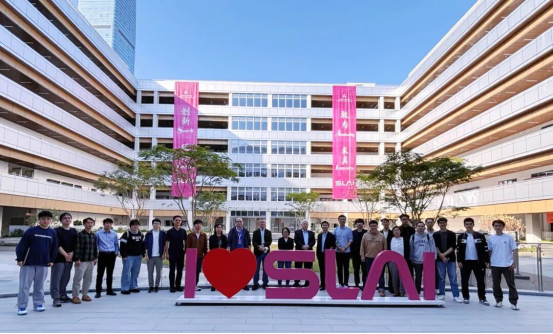
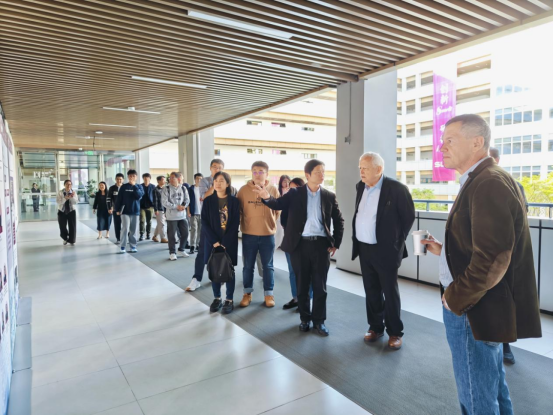
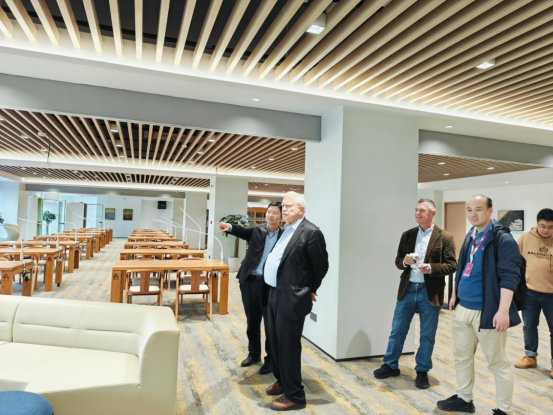
活动开始前,Heckman教授在学院师生陪同下参观了校园科研与生活设施,深入了解学院办学环境、研究平台与发展规划。
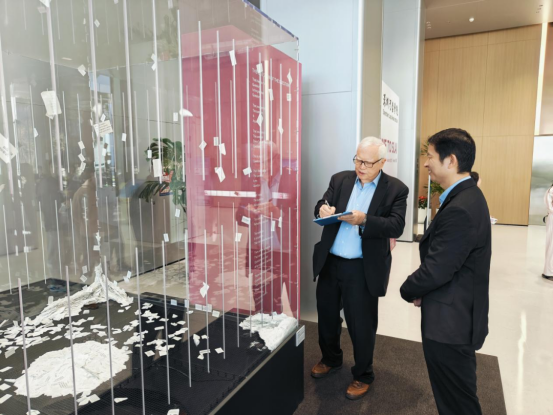
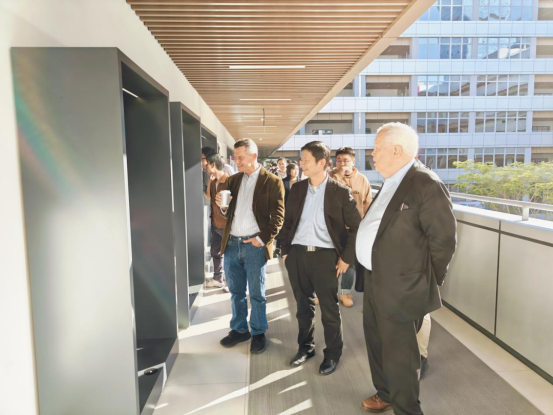
在参观过程中,Heckman教授对校园内一处名为“问题的问题”的科学艺术装置表现出浓厚兴趣。该装置以“问题风箱”为形态,汇集了来自人工智能、生命科学、物理学等学科的一万余个未解科学问题。纸条上的问题相互缠绕、彼此激发,以此激励学院师生以问题出发,勇闯科研无人区。Heckman教授也亲笔在纸条上写下自己的问题:
“Can robots have emotions? ”
并将其投入装置中,以行动激励师生思考。

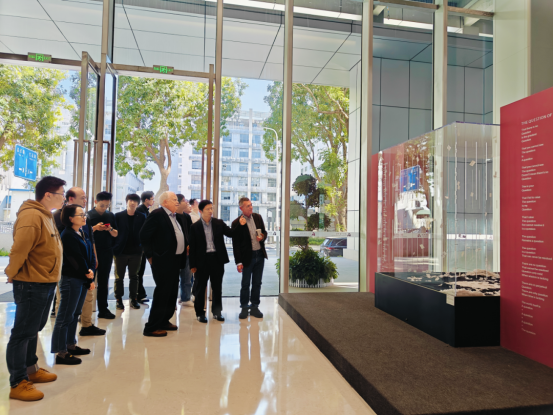
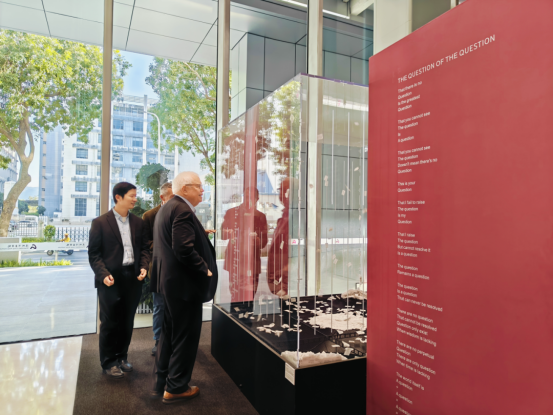
座谈交流环节由学院副院长欧阳万里教授主持。他系统介绍了深圳河套学院的办学理念、发展特色与人才培养目标,阐述了学院国际化、跨学科及产学研融合的发展路径。学院致力于培育具有全球视野、扎实理论基础、交叉创新思维与卓越实践能力的领军人才,推动人工智能关键领域的理论创新和应用突破。
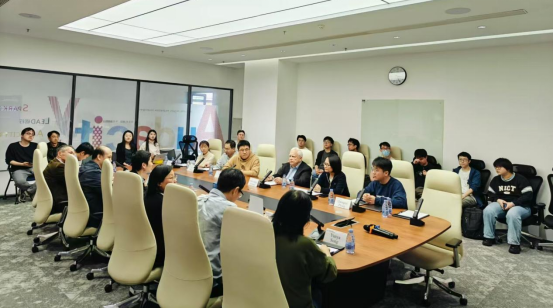
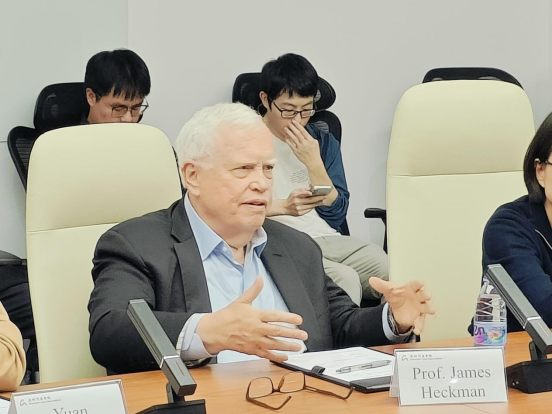

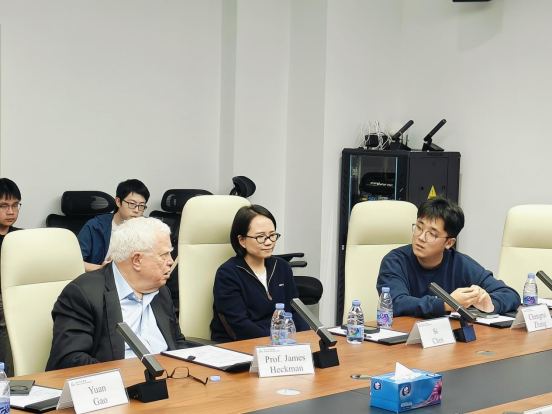
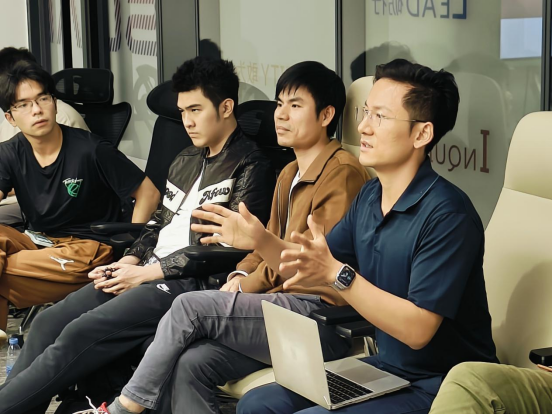
Heckman教授结合自身学术实践与全球视野,围绕学术评价体系优化、国际化跨学科协作、学生学术创新与风险承担能力培养、人工智能在社会科学中的融合应用等关键议题与师生们展开深度分享。
真正的学术价值在于思想深度
Heckman教授结合自身研究经历,强调学术评价应回归研究本身的创新性与思想深度。他以竞争风险模型研究为例,相关研究成果提交经济学期刊后,历经三年才取得进展。Heckman教授指出,不同学科的研究规律与产出节奏存在本质差异,社会科学领域研究往往需要长期积淀,产出周期远长于理工科,其价值正在于思想的厚度。他呼吁建立多元化学术评价机制,避免过度依赖期刊排名与发表数量等外部量化指标,而应回归研究本身。
跨学科融合是突破的关键
Heckman 教授倡导打破边界,跨国界、跨领域协同创新,推动社会科学与人工智能、神经科学、统计学等领域深度融合。他认为,通过方法论与工具的互补,可以破解单一学科领域局限,实现数据共享与经验互鉴,使研究结论更具普适性。
包容失败,方能孕育突破
在谈及学术文化时,Heckman教授鼓励营造包容创新、允许试错、支持长线探索的研究环境。Heckman教授以多项开创性学术成果为例,指出唯有保持学术自信、敢于挑战“非主流”方向,才能真正推动学术进步,回归探索真理的本源,孕育出更多推动领域进步的开创性成果。这也正是深圳河套学院在培养顶尖人工智能领域人才中所鼓励的“创新、砺行、敢为、求真”的院训精神。
在交流提问环节,Heckman教授与在场师生围绕学术评价体系、跨学科合作模式、学生创新能力培养等议题进一步交流,现场互动热烈,思维碰撞不断。
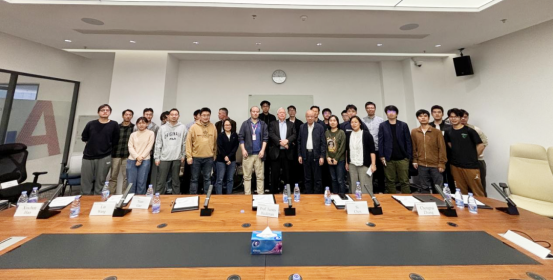
活动最后,社会科学智能中心联合主任罗晔教授代表学院向Heckman教授致赠纪念品,感谢他为师生带来的深刻启发。Heckman教授对学院在“AI+社会科学”领域的前瞻布局表示赞赏,并期待学院在未来取得更多创新成果。
活动在热烈的交流中落下帷幕,师生们纷纷分享自己的感悟与启发。

Professor Heckman raised questions highly relevant to SLAI. For example, should we rely too heavily on publications when evaluating students? Could this cause us to miss other valuable forms of work? He also asked how we can truly encourage collaboration among faculty and students from different institutions.
Toward the end, he spoke about more specialized research topics and shared his thoughts on how AI may influence economics in the future. I found his perspectives inspiring and deeply impressive.

I was captivated by Professor Heckman’s wit and warmth. He shared his personal journey with humor, making him feel incredibly accessible.
In an environment often dominated by the anxiety of "publish or perish," he offered a crucial reminder: do not write papers solely for the sake of publishing. The most important thing is to follow genuine interests and creativity.
Deeply inspired, I feel the confidence to venture into the territories of AI and social science, striving to produce research driven by the desire to solve real-world problems.

Professor Heckman expressed strong confidence in AI's prospects and praised SLAI's faculty structure. He emphasized "Generalized Alignment" and "Social Simulation" in AI, broadening our view of its social applications.
When discussing research interests, he encouraged scholars to explore bravely and embrace failure, urging us to pursue topics that combine personal passion with societal contribution.
This dialogue reaffirmed that meaningful research encompasses both technological innovation and social responsibility.

I asked about AI-psychology research directions. Professor Heckman outlined a new behavioral science paradigm using interactive protocols and multidimensional data to dynamically measure human capabilities.
He illustrated how machine learning can extract real-world behavioral patterns beyond traditional theories, and highlighted AI's potential in processing neural signals like EEG to construct continuous behavioral models.
This shows AI not only provides tools for psychology, but fundamentally expands research possibilities toward dynamic, interactive understanding of human behavior.
James J. Heckman教授简介
James J. Heckman是美国著名经济学家,因在微观计量经济学领域的贡献荣获2000年诺贝尔经济学奖。他的研究聚焦于选择性样本、人力资本与公共政策评估,尤其在劳动经济学与教育经济学领域影响深远。现任芝加哥大学经济学教授,并兼任多个国际学术机构的重要职务。