预告丨SLAI Seminar第四十三期
2026年7月9日(周四)下午两点半,深圳河套学院荣幸地邀请到南开大学计算机学院教授、卓越工程师学院执行院长程明明教授,在B401教室带来主题为“面向循证医疗诊断的科学智能体”的学术报告分享。诚挚欢迎学院师生及对该领域感兴趣的产学研界同仁参与讲座。
Title
面向循证医疗诊断的科学智能体
Scientific AI Agents for Evidence-Grounded Medical Diagnosis
About the Speaker
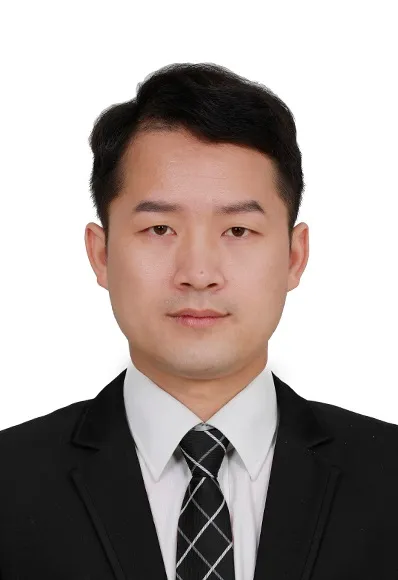
程明明 教授
Prof. Ming-Ming Cheng
程明明教授现任南开大学计算机学院教授、卓越工程师学院执行院长。他于2012年在清华大学取得博士学位,随后赴牛津大学开展博士后研究。其研究方向为人工智能、计算机视觉、视觉计算与智能感知。
程明明教授在国际顶级学术会议与期刊发表论文百余篇,其中发表于《IEEE模式分析与机器智能汇刊(IEEE TPAMI)》的论文逾40 篇。其成果谷歌学术总引用量超8万次,H指数达100;2022至2025年连续入选科睿唯安“全球高被引科学家”榜单。他主持多项国家级重大科研项目,同时担任天津市视觉计算与智能感知重点实验室主任。近期研究工作聚焦将人工智能与视觉智能技术拓展至科学智能体、生物医学发现、循证医学决策支持等领域。
Swipe up for EN version
Professor Ming-Ming Cheng is a professor of Computer Science at Nankai University and Executive Dean of the School of Excellent Engineers. He received his Ph.D. from Tsinghua University in 2012 and conducted postdoctoral research at the University of Oxford. His research focuses on artificial intelligence, computer vision, visual computing, and intelligent perception.
Professor Cheng has published more than 100 papers in leading venues, including over 40 in IEEE TPAMI. His work has received more than 80,000 Google Scholar citations, with an h-index of 100, and he has been named a Clarivate Highly Cited Researcher from 2022 to 2025. He leads major national research projects and directs the Tianjin Key Laboratory of Visual Computing and Intelligent Perception. His recent work extends AI and visual intelligence toward scientific agents, biomedical discovery, and evidence-grounded medical decision support.
Abstract
本次报告将探讨科学AI Agents如何推动医学诊断技术升级:从单纯基于概率的预测模式,转向依托实证证据开展诊疗推理。传统AI诊断模型往往仅输出单一固化结论,但临床诊疗决策需要具备可解释的推导逻辑、可信的医学佐证,同时还要审慎考量患者病情、用药方案、用药禁忌及药物相互作用等多重因素。
本次报告将介绍统一AI工具交互生态系统 ToolUniverse,该平台可支持智能体调用、协同调度数百款科学与生物医学专业工具。基于该生态搭建的诊疗智能体TxAgent,能够完成多轮链式推理,检索权威医学实证资料,并生成个体化诊疗建议。报告同时探讨:依托大规模多智能体数据生成技术、结合科学反馈的强化学习方案,如何助力研发自主性更强、可靠性更高、临床实用性更佳的新一代AI科学家。
Swipe up for EN version
This presentation explores how scientific AI agents can advance medical diagnosis from simple probability-based prediction to evidence-grounded therapeutic reasoning. Traditional AI diagnostic models often provide closed-form answers, but clinical decision-making requires transparent rationale, reliable evidence, and careful consideration of patient conditions, medications, contraindications, and drug interactions.
The presentation introduces ToolUniverse, a unified AI-tool interaction ecosystem that enables agents to access and coordinate hundreds of scientific and biomedical tools. Built on this environment, TxAgent performs multi-step reasoning, retrieves trusted medical evidence, and generates personalized treatment recommendations. The presentation also discusses how large-scale multi-agent data generation and reinforcement learning with scientific feedback can support the future development of more autonomous, reliable, and clinically useful AI scientists.
Host
姬艳丽 教授
Prof. Yanli Ji
Date & Time
2026年7月9日(星期四)
下午14:30-16:00
July 9, 2026, Thursday,
2:30pm-4:00pm
Venue
深圳河套学院B401教室
(深圳市福田区福保街道红棉路6号,地图导航“深圳河套学院-南门”)
Room B401, Shenzhen Loop Area Institute
(6 Hongmian Rd, Fubao Sub-Street, Futian District, Shenzhen, navigate to "Shenzhen Loop Area Institute (South Gate)" on the map.)