【SLAI Seminar】第三十八期—智能体系列第四讲:From Context Engineering to Harness Engineering and then to Happiness Engineering (May 28th, 14:30)
SLAI Seminar 38th Session will be discussing the topic on “From Context Engineering to Harness Engineering and then to Happiness Engineering”, from 2:30pm-4pm, May 28 (Thursday) at Room B401, online participation is welcome.
(Tencent Meeting ID: 116-980-163)
报告主题: 从Context Engineering到Harness Engineering再到Happiness Engineering
时间:2026年5月28日(周四)下午2:30-4:00
地点: 深圳河套学院B401教室
线上参与:腾讯会议号116-980-163
主讲嘉宾:李翔教授
主持人:姬艳丽教授
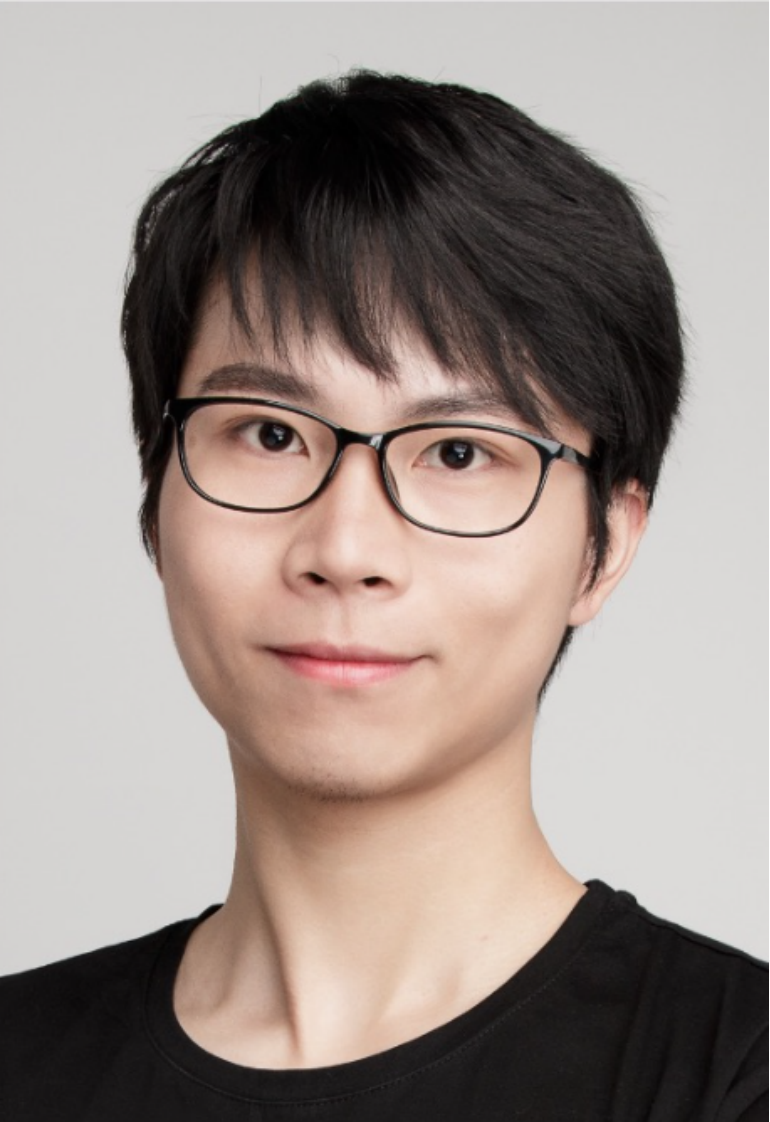
讲者简介About the Speaker:
李翔,南开大学副教授、博士生导师,南开大学百名青年学科带头人培养计划入选者,南开大学五四青年奖章获得者,入选博士后创新人才支持计划A档,获CCF优秀博士学位论文提名奖、吴文俊人工智能优秀青年奖。长期从事计算机视觉、目标检测、基础模型与智能体相关研究,谷歌学术引用2.6万余次。其第一作者相关工作被诺贝尔物理学奖、图灵奖得主Geoffrey Hinton教授团队重点跟进,并成为工业界主流轻量目标检测器YOLO系列的标准配置。李翔带领团队参与顶级AI竞赛,累计获得奖金130余万元。其同时为减论科技创始人,科研社区服务“减论”账号主理人,长期关注青年科研人才成长、科研方法论传播与人工智能技术的真实落地。
Xiang Li is an Associate Professor and doctoral supervisor at Nankai University. He is a recipient of Nankai University’s Hundred Young Academic Leaders Program and the Nankai May Fourth Youth Medal, was selected for the National Postdoctoral Innovative Talent Support Program (Class A), and received the CCF Outstanding Doctoral Dissertation Nomination Award and the Wu Wenjun Artificial Intelligence Outstanding Young Scholar Award. His research focuses on computer vision, object detection, foundation models, and AI agents. His work has received more than 26,000 citations on Google Scholar. His first-author work has been closely followed by the team of Geoffrey Hinton, recipient of both the Nobel Prize in Physics and the Turing Award, and has become a standard component in the mainstream lightweight object detector YOLO series used in industry. He has led his team to participate in top AI competitions, winning cumulative prizes of over RMB 1.3 million. He is also the founder of Jianlun Technology and the host of the research community account “Jianlun,” with a long-standing commitment to supporting young researchers, disseminating research methodology, and advancing the real-world application of artificial intelligence.
报告摘要:
大模型和智能体正在把人工智能系统的核心能力,从“训练一个模型”推进到“组织一个可持续工作的认知系统”。当模型能力逐渐成为基础设施,真正决定智能体上限的,往往不再只是参数规模,而是我们如何为它构造上下文、如何把它接入工具链和评测闭环,以及如何让人、模型与任务之间形成长期可信、可协作、可成长的关系。围绕这一变化,本报告从三个层次展开讨论:第一,Context Engineering:为大语言模型(LLM)引入与真实世界的交互接口;第二,Harness Engineering,本质为Context Engineering朝安全、状态与工作流多维度的拓展;第三,Happiness Engineering,即在技术效率之外重新审视智能体对科研、教育和创造性工作的影响,思考如何让智能系统真正服务于人的好奇心、成就感与长期幸福。报告将结合科研实践、社区运营和智能体应用观察,讨论从提示词到工程体系、从自动化到人机共生的演进路径,并分享对未来科研工作方式的若干思考。
Large models and AI agents are shifting the core capability of artificial intelligence systems from “training a model” to “organizing a cognitive system that can work sustainably.” As model capability increasingly becomes infrastructure, the upper bound of an agent is often determined not merely by parameter scale, but by how we construct context for it, connect it to toolchains and evaluation loops, and build long-term trustworthy, collaborative, and evolving relationships among people, models, and tasks. Against this backdrop, this talk will discuss three levels of evolution. First, Context Engineering: introducing interfaces that connect large language models (LLMs) with the real world. Second, Harness Engineering: essentially extending Context Engineering across the dimensions of safety, state, and workflow. Third, Happiness Engineering: looking beyond technical efficiency to re-examine the impact of agents on research, education, and creative work, and considering how intelligent systems can truly serve human curiosity, sense of achievement, and long-term happiness. Drawing on research practice, community building, and observations from agent applications, the talk will explore the evolution from prompts to engineering systems, from automation to human-AI symbiosis, and share reflections on future modes of research work.